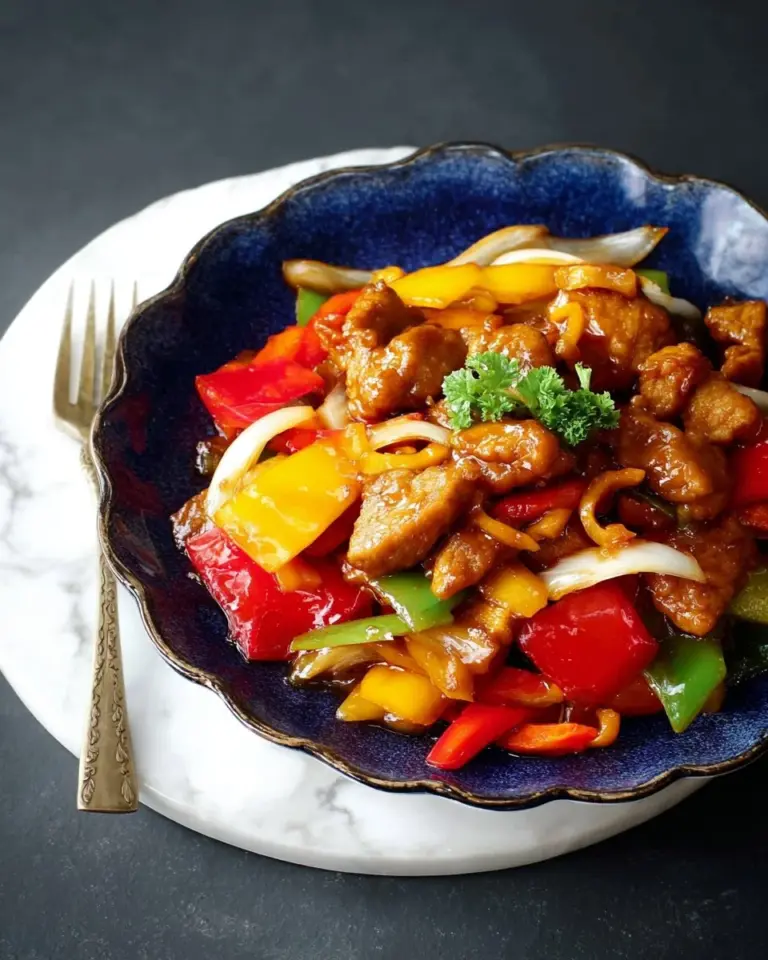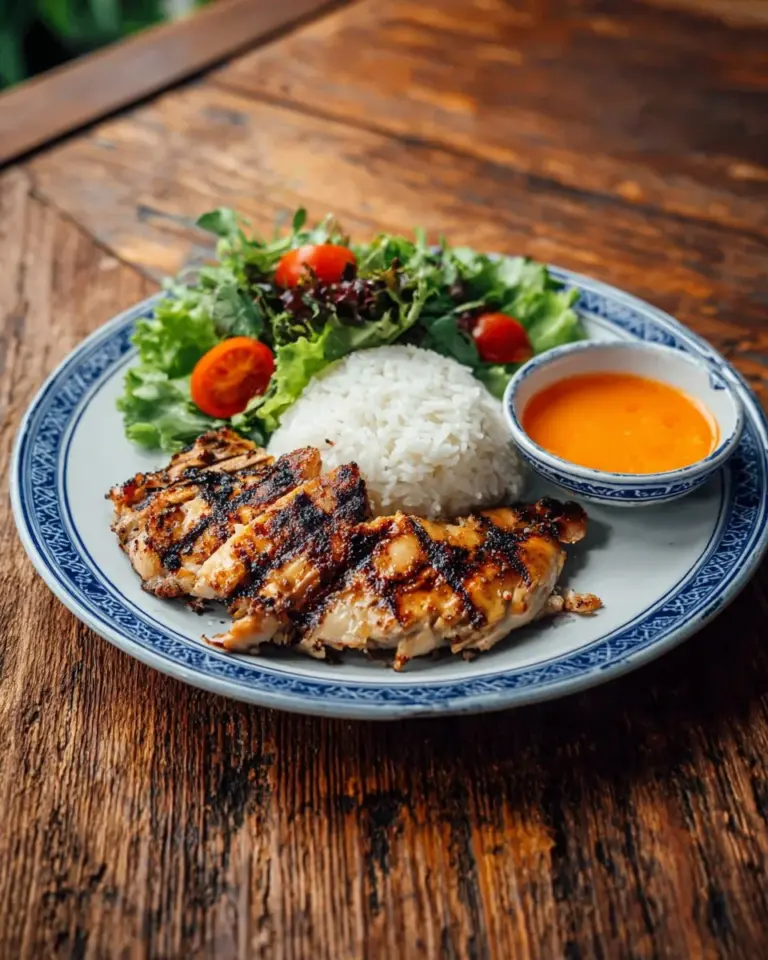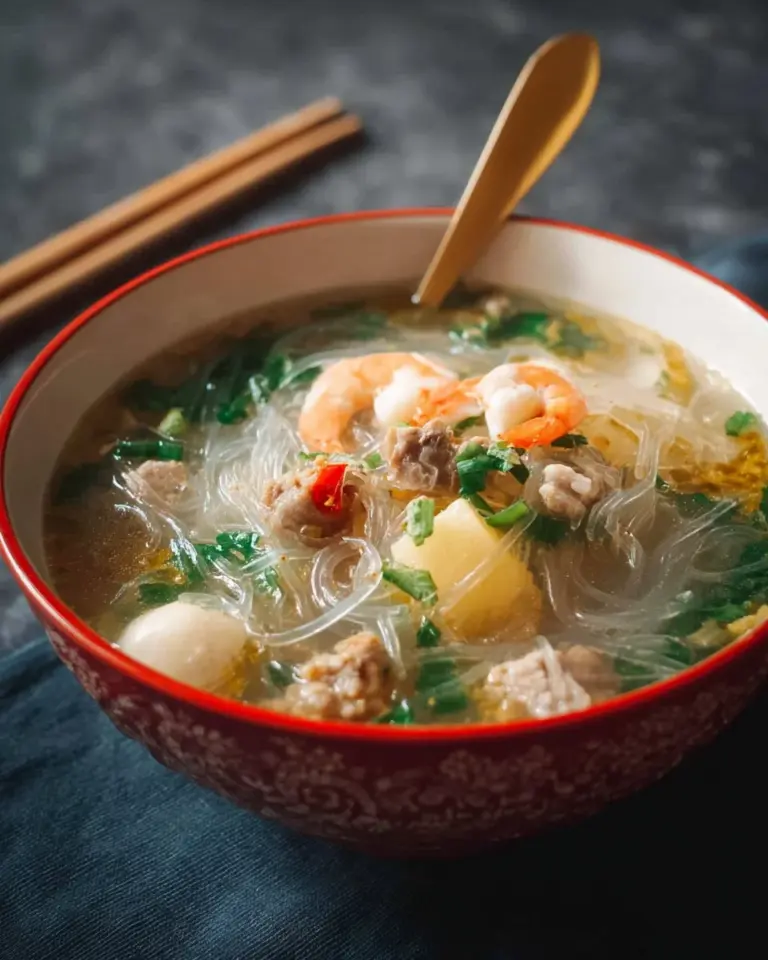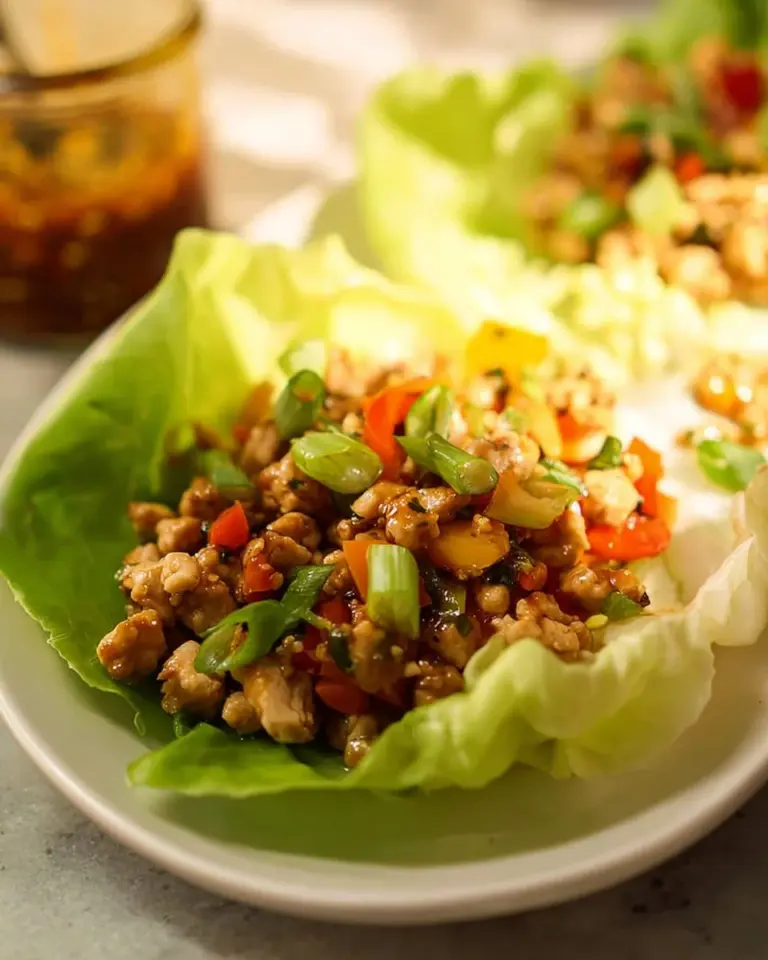
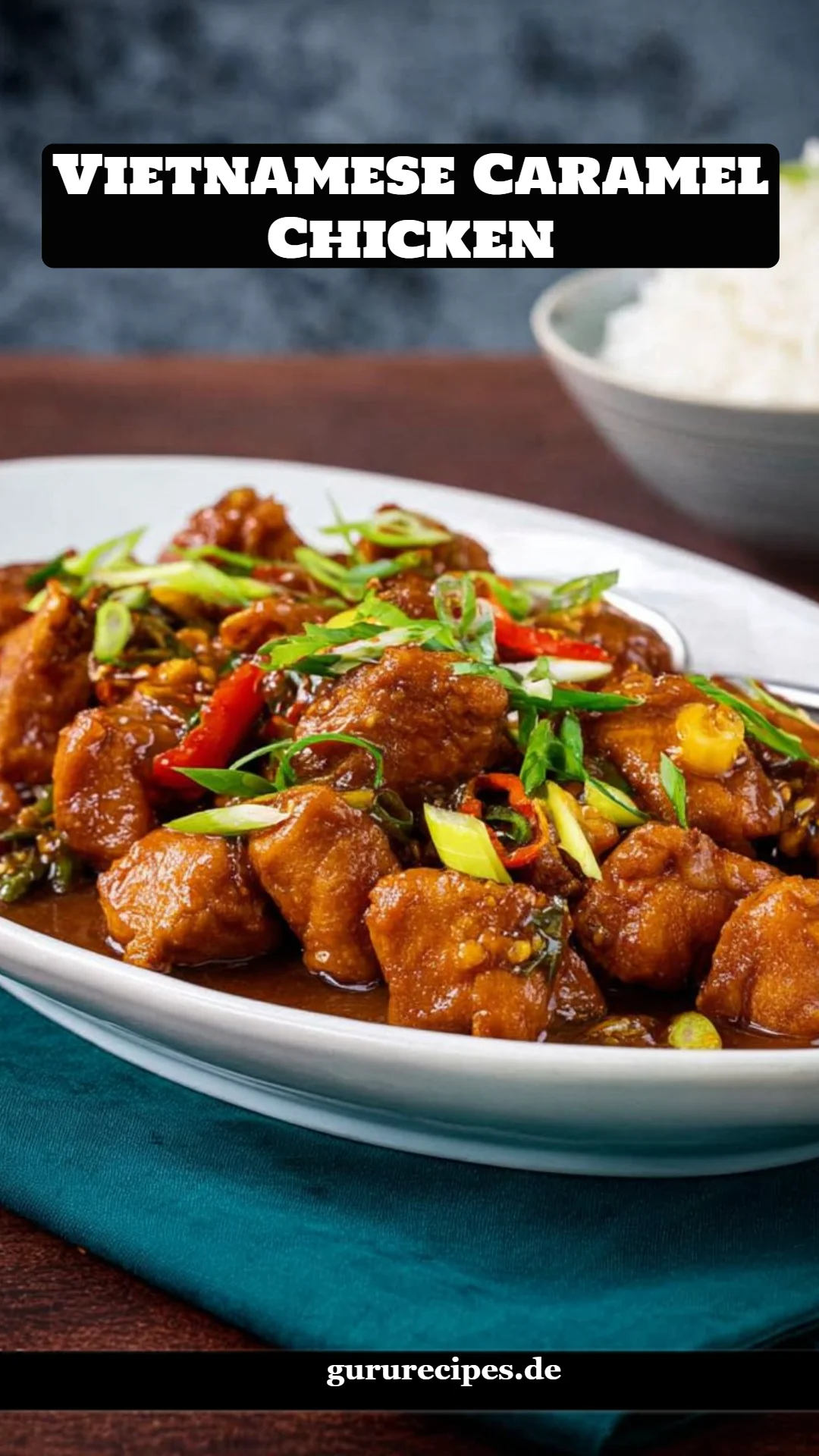
Unleash the Flavor of Vietnamese Caramel Chicken: A Sweet and Savory Delight
Growing up, my family’s kitchen was a haven of delicious aromas and flavors, and one dish that always brought us together was Vietnamese Caramel Chicken. This isn’t just another chicken recipe; it’s a comforting symphony of savory and sweet that evokes memories of laughter and shared meals around the dining table. I vividly remember the first time – my mom, with a twinkle in her eye, stirred the bubbling caramel sauce, its rich scent curling through the air and wrapping around me like a warm embrace.
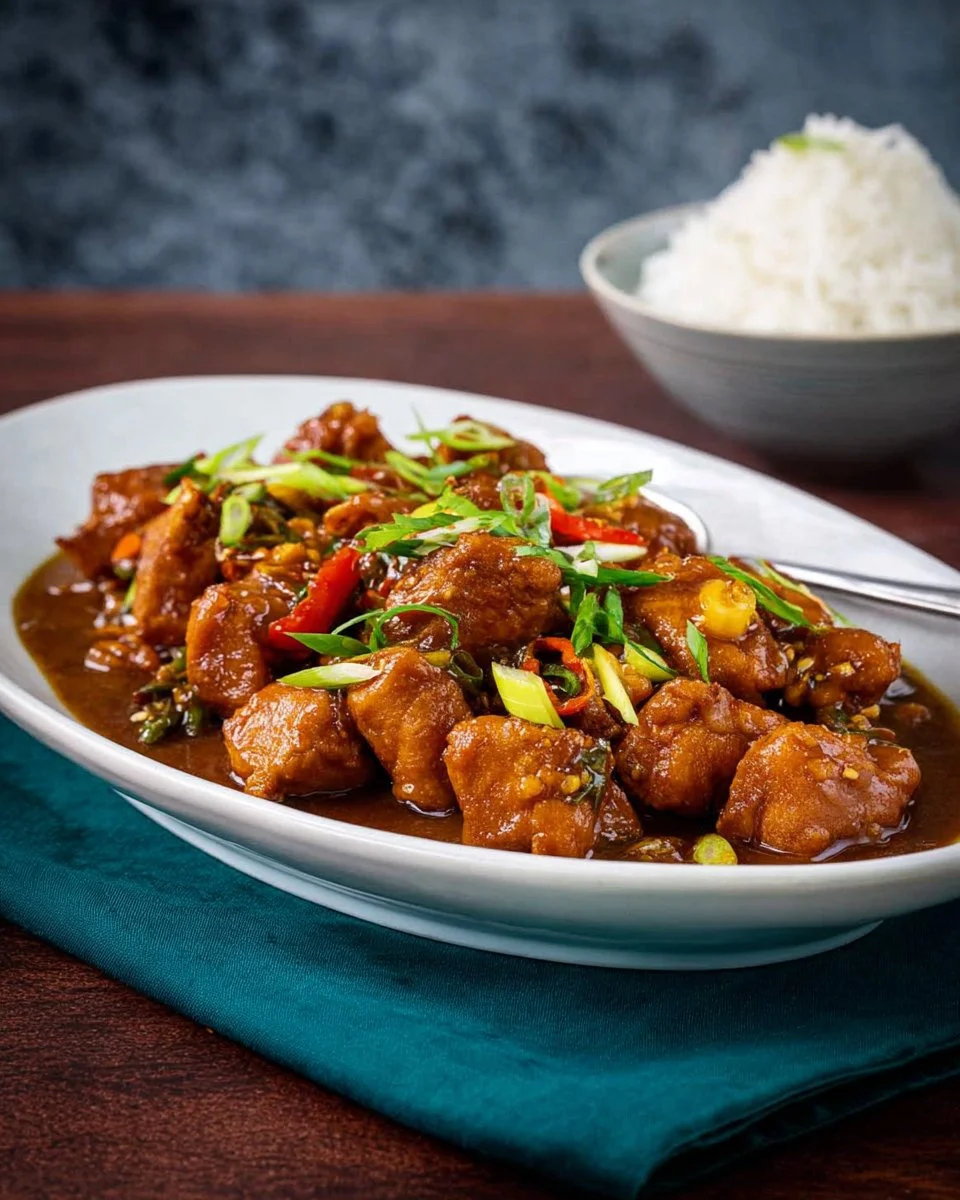
What makes Vietnamese Caramel Chicken special is its unique balance – the sweetness of caramel, mingling seamlessly with the umami of fish sauce, creating a sticky glaze that clings to tender chicken pieces. It’s a culinary hug on a plate! This recipe elevates the traditional approach by focusing on quality ingredients and simple techniques that promise authentic taste without hours in the kitchen.
Each bite takes you on a flavor journey, and it’s a fantastic way to introduce friends and family to the wonders of Vietnamese cuisine. By the end of this post, you’ll not only be equipped to make this exquisite dish but will also carry on a cherished tradition. So, let’s dive into the delicious world of Vietnamese Caramel Chicken!
What Are Vietnamese Caramel Chicken?
Vietnamese Caramel Chicken, or Gà Kho, enjoys a rich history as a beloved dish in Vietnamese homes. Rooted in the traditions of family cooking, this dish is often passed down through generations, celebrated for its unique blend of textures and flavors.
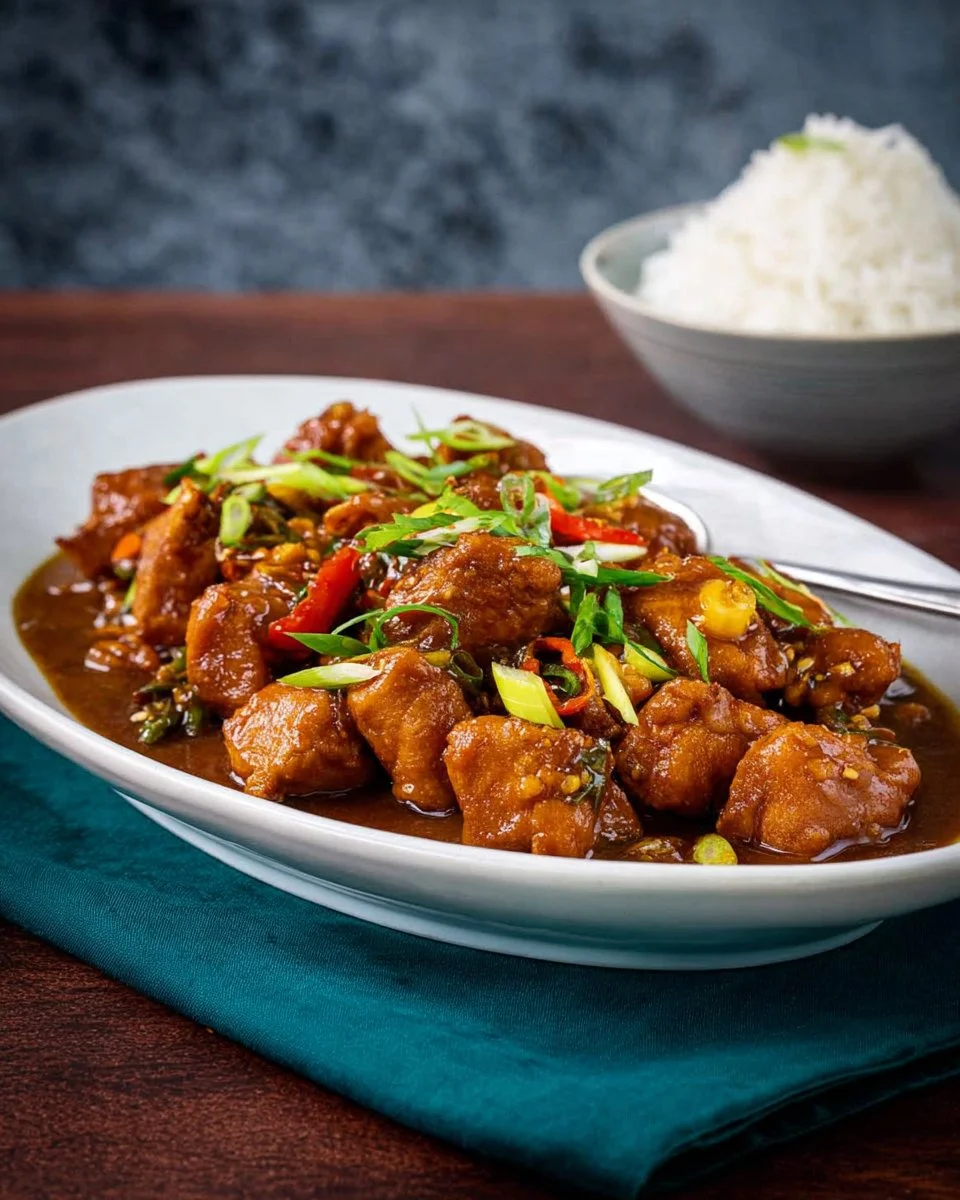
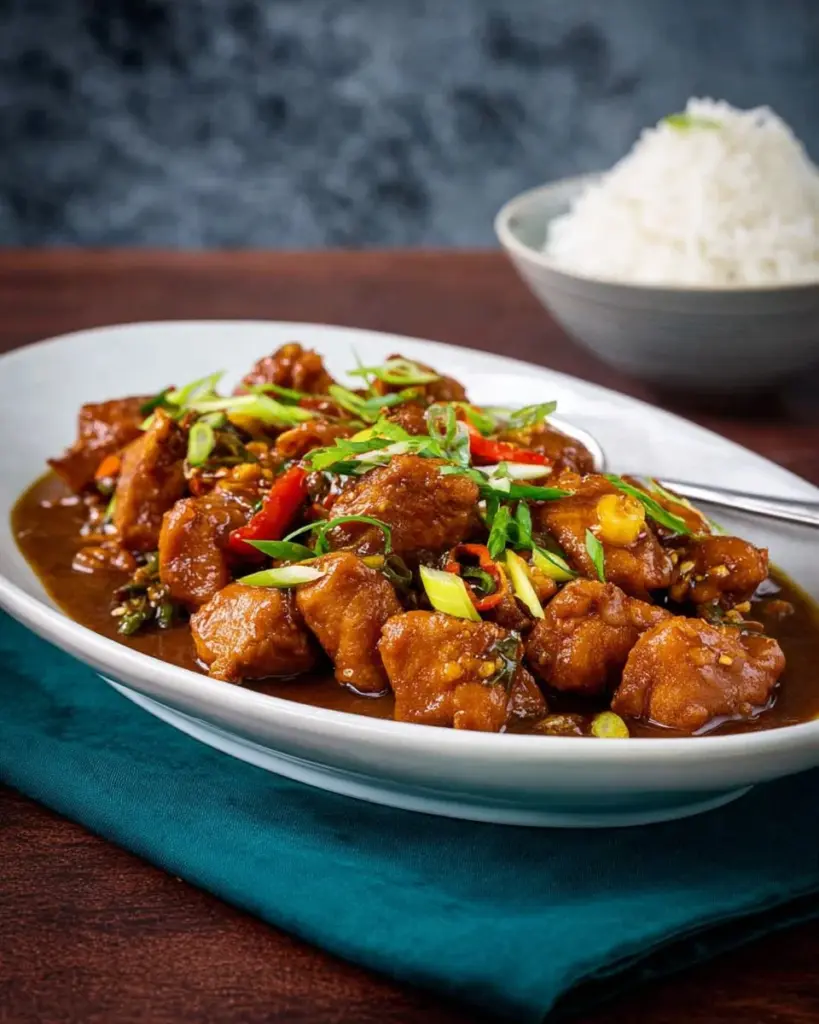
Imagine succulent, boneless chicken thighs simmered in a sweet and savory caramel sauce that drapes over each piece like a silky cloak. The chicken is tender and juicy, while the contrasting flavors create an exciting taste experience.
This dish shines at both everyday family dinners and festive celebrations. Whether you’re introducing guests to Vietnamese cuisine or savoring a comforting meal on a quiet night, Vietnamese Caramel Chicken is the perfect choice. It’s approachable yet impressively dynamic in flavor, making it a go-to recipe in my kitchen.
Why You’ll Love This Recipe
1. Authentic Flavor at Home
Unlike many store-bought or restaurant versions that often disappoint, this homemade Vietnamese Caramel Chicken captures the authentic essence of traditional flavors. You can control the ingredients, and this guarantees a fresher taste.
2. Cost-Effective Deliciousness
Eating out can be pricey, but this recipe lets you enjoy restaurant-quality food at home without breaking the bank. With simple ingredients, you could feed your family for much less than what you’d spend at a restaurant.
3. Customization Galore
Feel free to transform this recipe to match your taste preferences! Want a bit of heat? Add Thai chilies! Prefer a sweeter sauce? Adjust the sugar to your liking. The possibilities are endless, making this dish not just a recipe, but your very own culinary canvas.
4. Easy to Master
Even if you’re not a pro in the kitchen, this recipe is simple enough to give you confidence. With straightforward steps and minimal prep time, you’ll find that making Vietnamese Caramel Chicken is as easy as it is rewarding.
5. Quick Cooking Adventure
This recipe takes about 30 minutes from start to finish, making it a fantastic weeknight meal option. You’ll love how you can whip up a delicious, fragrant dish without spending half your evening cooking or cleaning.
With these reasons in mind, say goodbye to your ordinary weeknight rotation and embrace the flavors of Vietnamese Caramel Chicken!
Ingredients
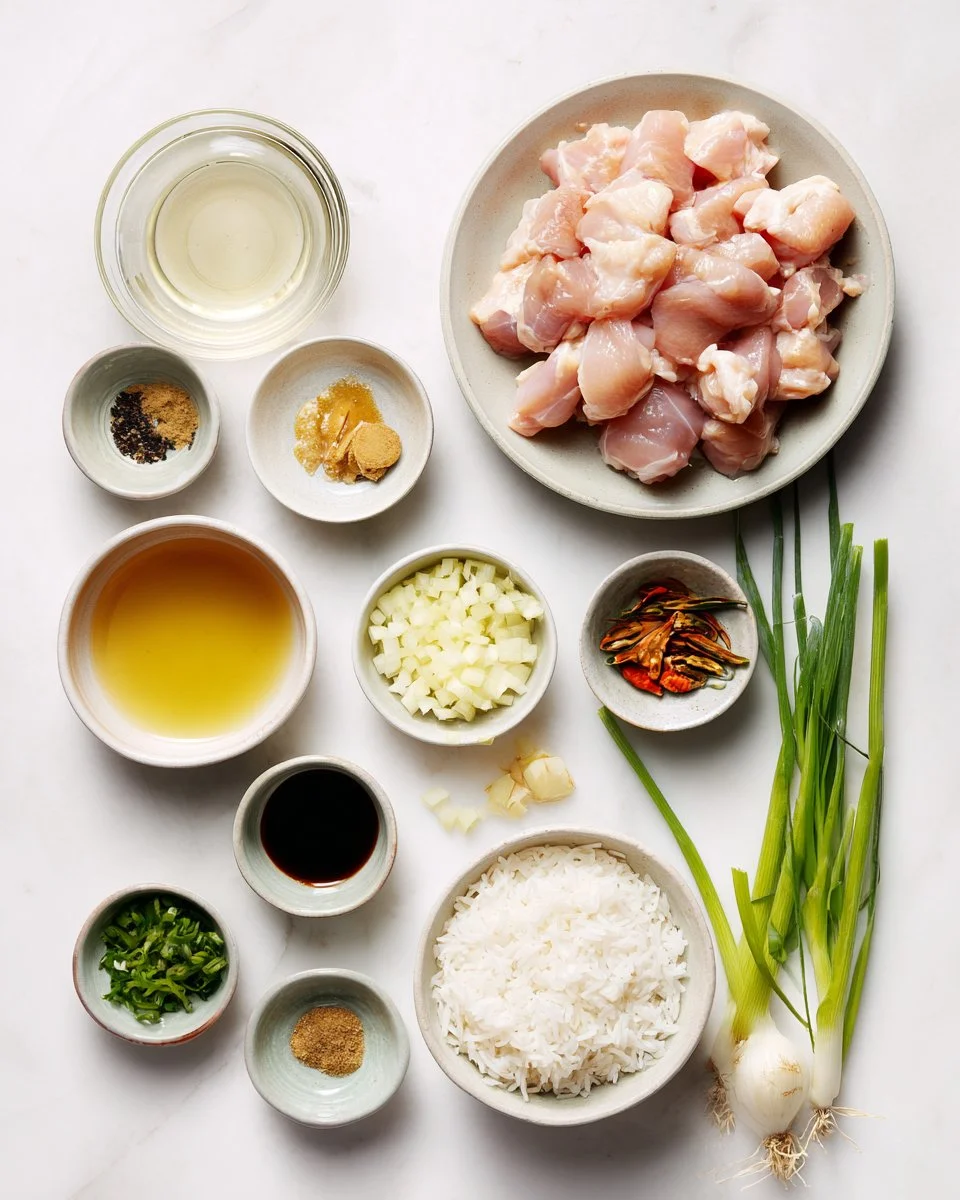
To recreate this spectacular Vietnamese Caramel Chicken dish, gather the following ingredients:
- 1½ lb boneless skinless chicken thighs, cut into 1.5-inch cubes (I prefer thighs for tenderness, but you can substitute with chicken breast if you like.)
- 2 tablespoons fish sauce (for authentic umami flavor – this is non-negotiable!)
- 3 tablespoons palm sugar, finely chopped, or granulated sugar (palm sugar adds a unique depth, but regular sugar will suffice in a pinch)
- ½ tablespoon rice vinegar (balances sweetness with acidity)
- ½ cup coconut water or unsalted chicken stock (for a subtle sweetness and richness)
- 2 tablespoons neutral oil (canola or vegetable oil works well)
- 4 cloves garlic, chopped (the fragrance is unbelievable!)
- ½ cup julienned shallots (about 1 large head, they add sweetness)
- 1½ tablespoons finely julienned ginger (for that touch of warmth)
- ½ teaspoon ground black pepper
- Thai chilies, chopped, to taste (optional for spice)
- 1 green onion and/or 4 sprigs cilantro, chopped (for fresh garnish)
- Jasmine rice and a side of veggies, for serving (the perfect companions to soak up that sauce)
Quality Matters
Using high-quality fish sauce and palm sugar will elevate this dish, so don’t skimp here. If you need a recommendation, I love using Red Boat Fish Sauce for its bold flavor, and Thai palm sugar from my local Asian market is often more fragrant than what you might find at a regular grocery store.
Preparation Notes
Make sure chicken is at room temperature before cooking for even cooking.
Step-by-Step Instructions
-
Marinate the Chicken: Mix the chicken with 1 tablespoon of fish sauce in a bowl, letting it marinate while you prepare the other elements (about 10 minutes). This step really infuses flavor right from the get-go!
-
Create the Caramel Sauce: In a small pot, add the palm sugar and melt it over medium heat until it caramelizes to a very dark brown (think espresso color). Watch closely to avoid burning! Once dark, remove from heat and carefully deglaze with the coconut water, returning to heat until dissolved. Stir in the remaining fish sauce and rice vinegar, and set aside.
-
Sauté Aromatics: Heat 2 tablespoons of oil in a wok over medium-high heat. Add ginger, shallots, and garlic, sautéing until translucent and fragrant (about 2-3 minutes). This will make your kitchen smell amazing!
-
Cook the Chicken: Push the aromatics aside in the pan, add the marinated chicken into a single layer, and let it fry without moving for about 3-4 minutes until it’s nicely browned.
-
Simmer with Sauce: Pour the caramel sauce over the chicken and simmer uncovered for about 15 minutes, stirring occasionally, while the sauce thickens and the chicken reaches fork-tender perfection.
-
Final Adjustments: Taste the sauce: if it’s too strong, add a splash of water; if it’s too weak, let it cook longer until the flavors meld beautifully.
-
Garnish and Serve: For an optional kick, stir in chopped chilies before plating. Top with sliced green onions and cilantro, and serve the Vietnamese Caramel Chicken over a mound of Jasmine rice with a side of your favorite vegetables. Voilà!
Chef’s Tips:
- Make sure your sugar does not burn when caramelizing; stay close!
- It’s okay if the sauce thickens too much; just add a splash of water to loosen!
Common Mistakes to Avoid:
- Don’t skip the marination step; it enhances flavor tremendously!
- Avoid cooking on too high heat – it can result in dry chicken.
Expert Tips & Tricks
-
Storage Strategy: Store leftovers in an airtight container in the fridge for up to 3 days. When reheating, a splash of water can help regain that luscious sauce consistency.
-
Make-Ahead Magic: You can marinate the chicken a few hours or even overnight for deeper flavor. Just keep it refrigerated until you’re ready to cook.
-
Troubleshooting Galore: If your caramel gets hard, don’t panic! Just reheat it over low flame with a little water until it softens.
-
Freezer-Friendly: You can freeze the caramelized chicken for up to 3 months. Thaw in the refrigerator overnight before reheating.
-
Batch Cooking: Double or triple the recipe for meal prep! Just adjust cooking times as needed.
Pro Tip:
Adding shredded carrots or bell peppers in the last few minutes of cooking can add a pop of color and extra nutrition to the dish!
Serving Suggestions
Pair your Vietnamese Caramel Chicken with fluffy Jasmine rice that eagerly soaks up that sweet and salty sauce. A side of sautéed greens—like bok choy or broccoli—adds a nutritional balance and color to brighten your plate. For a stunning presentation, serve in a large wooden bowl and finish it off with scattered cilantro and green onions for that fresh pop!
This dish is perfect for casual dinners, a small gathering, or even a dinner party to impress friends with something novel yet approachable. Trust me; they will be asking for seconds!
Variations & Substitutions
-
Flavors on a Budget: If you can’t find palm sugar, brown sugar is a suitable alternative, though it will slightly alter the taste nuances.
-
Vegetarian Version: Swap chicken for firm tofu, and follow the same steps for a delightful vegan adaptation that’s just as satisfying.
-
Seasonal Ingredients: Incorporate seasonal veggies like snap peas or even diced apples for a fruity twist.
-
Spicy Upgrade: If you love heat, add some chili paste into the sauce or serve it with a side of spicy dipping sauce.
Nutrition & Storage Info
- Prep Time: 10 minutes
- Cook Time: 20 minutes
- Total Time: 30 minutes
- Yield: Serves 4
- Estimated Calories: Approximately 350 calories per serving
Storage Instructions:
- Leftovers can be stored at room temperature for a few hours or in the fridge for 3 days.
- Freeze for up to 3 months; thaw in the fridge before reheating.
FAQ Section
-
Can I use chicken breasts instead of thighs?
Yes! Chicken breasts will work, but the dish might be less juicy. -
What’s an alternative to fish sauce?
You can substitute with soy sauce for a vegetarian option, but you’ll miss the authentic flavor. -
Is palm sugar necessary?
While it gives a distinct taste, you can use any brown sugar as a substitute. -
Can I make this in advance?
Absolutely! Prep it the night before and store it in the fridge until you’re ready to cook. -
What side dishes pair well?
Jasmine rice is traditional, but any rice or even noodles would be delightful. -
How spicy is this dish?
It’s relatively mild unless you choose to add more chilies; adjust to taste. -
Is the caramel sauce hard to make?
It’s simple! Just pay attention to caramelizing the sugar and watch for dark brown color. -
How do I prevent the chicken from drying out?
Using thighs keeps the chicken juicy, and avoid overcooking during simmering. -
Can I add vegetables to this dish?
Yes! Carrots, bell peppers, or snap peas can be added for extra texture and nutrition. -
What if I don’t have coconut water?
You can use unsalted chicken stock or water as a substitute; it will be slightly different, but still tasty.
Conclusion
Vietnamese Caramel Chicken is more than just a recipe; it’s a doorway into a flavor-filled tradition that can create amazing memories around your table. Whether you’re experiencing it for the first time or reliving cherished moments, this dish stands as a pure celebration of sweetness and savory delight.
I encourage you to give it a try and let this caramel-filled dish whisk you away to the lanes of Vietnam. Don’t forget to share your feedback or any variations that you love—I’d be thrilled to hear from you! For more of my favorite recipes that echo similar comfort and delight, check out my blog for more culinary adventures. Happy cooking!
Vietnamese Caramel Chicken
Ingredients
Method
- Marinate the chicken: Mix the chicken with 1 tablespoon of fish sauce in a bowl, letting it marinate for about 10 minutes.
- Create the caramel sauce: In a small pot, add the palm sugar and melt it over medium heat until it caramelizes to a very dark brown. Remove from heat and carefully deglaze with coconut water.
- Stir in the remaining fish sauce and rice vinegar, and set aside.
- Heat oil in a wok over medium-high heat. Sauté ginger, shallots, and garlic until translucent and fragrant (about 2-3 minutes).
- Push the aromatics aside and add the marinated chicken in a single layer. Fry for about 3-4 minutes until nicely browned.
- Pour the caramel sauce over the chicken and simmer uncovered for about 15 minutes, stirring occasionally, until the sauce thickens and chicken is fork-tender.
- Taste the sauce; if too strong, add a splash of water; if too weak, let it cook longer.
- For optional spice, stir in chopped chilies before plating. Garnish with green onions and cilantro.