The Delightful Crunch of Greek Salad: A Timeless Treat
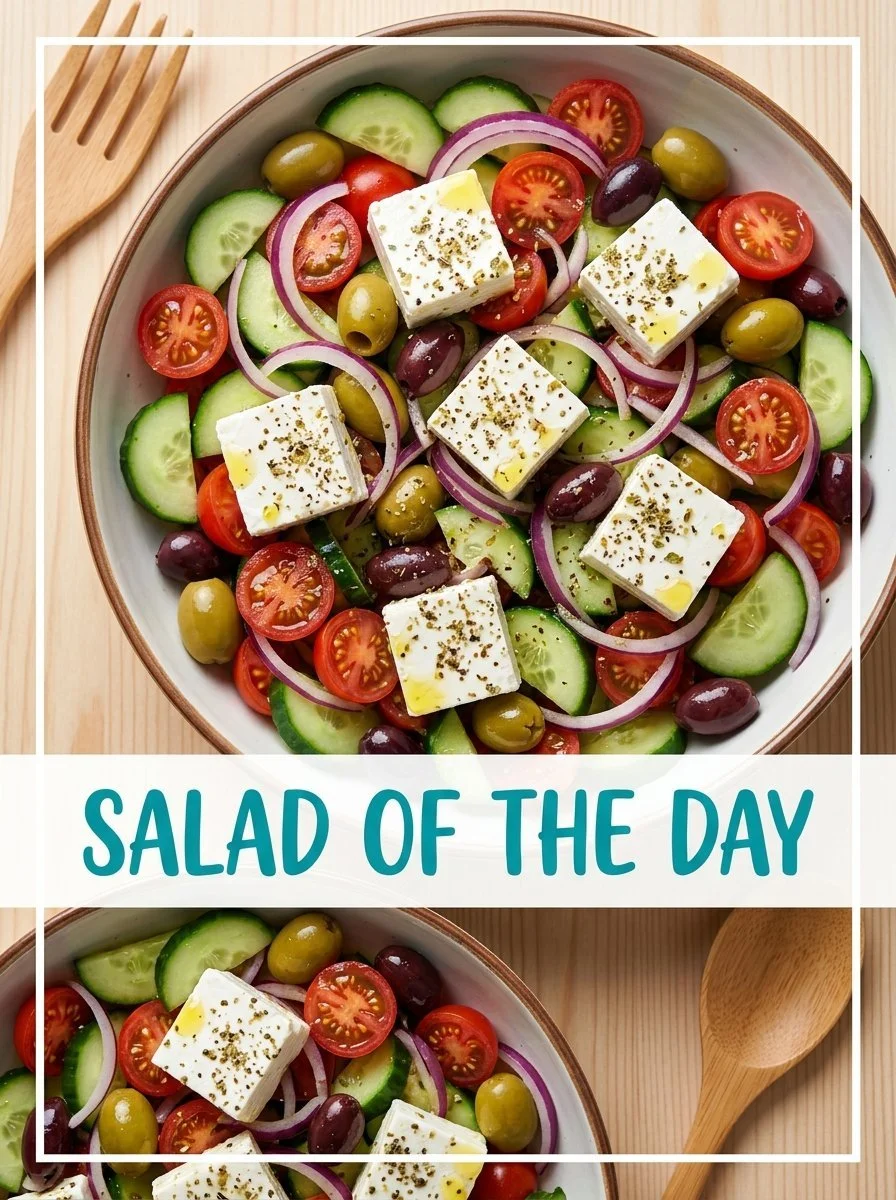
The first bite of a refreshing Greek salad is an orchestra of sensations. You hear crisp cucumbers and juicy tomatoes, creating a delightful crunch that promises to awaken your taste buds. The aroma of fresh herbs tingles in the air, while the creamy feta cheese melts effortlessly among the vibrant colors of the vegetables, inviting you for more. Each forkful is a bite of summer, bursting forth with flavor and health. You may also find Thai Green Mango Salad useful.
The Origin & Heritage
Greek Salad, known as Horiatiki, is a dish that carries the essence of Greece’s sun-kissed landscapes and rich culinary tradition. Traditionally prepared in rustic village homes, Greek salad embodies the simplicity and vibrancy of Mediterranean cuisine. I can still recall moments spent in my grandmother’s kitchen, where she methodically chopped fresh vegetables, creating a lively salad that was as much about community as it was about nourishment. Every meal felt like a celebration, highlighting the seasonal produce available, and that’s the core spirit behind this dish.
The Science of Flavor
Understanding why this combination of ingredients works so brilliantly can deepen your culinary appreciation:
- Balance of Acidity and Creaminess: The tangy red wine vinegar plays beautifully against the rich flavors of feta cheese.
- Textural Pleasure: The contrasting crunch of cucumbers and the softness of ripe tomatoes create a satisfying mouthfeel.
- Flavor Harmony: Kalamata olives introduce brininess, enhancing the overall taste.
- Herbal Freshness: Oregano offers a fragrant backdrop that complements the garden-fresh vegetables.
- Colorful Presentation: The vibrant colors not only please the eye but also promise a variety of nutrients beneficial for your health.
The Ingredients
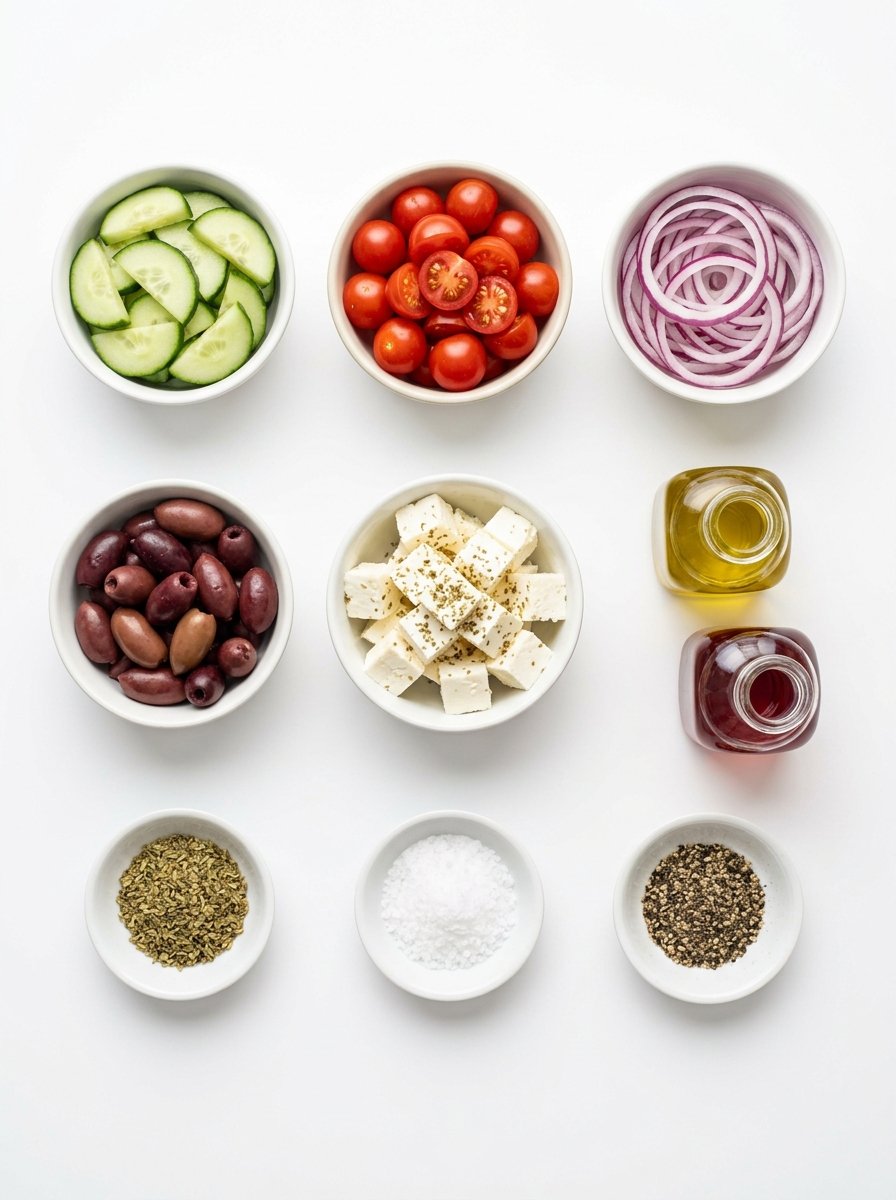
Crispy Vegetables
- Cucumbers
- Tomatoes
- Red onion
Savory Components
- Kalamata olives
- Feta cheese
Dressing Essentials
- Olive oil
- Red wine vinegar
- Oregano
- Salt
- Pepper
Pro-Note: Quality Hack
- Cucumbers: Opt for Kirby cucumbers for a crunchier texture.
- Olive Oil: Use extra-virgin olive oil for a bolder flavor profile in your dressing.
The Masterclass Instructions
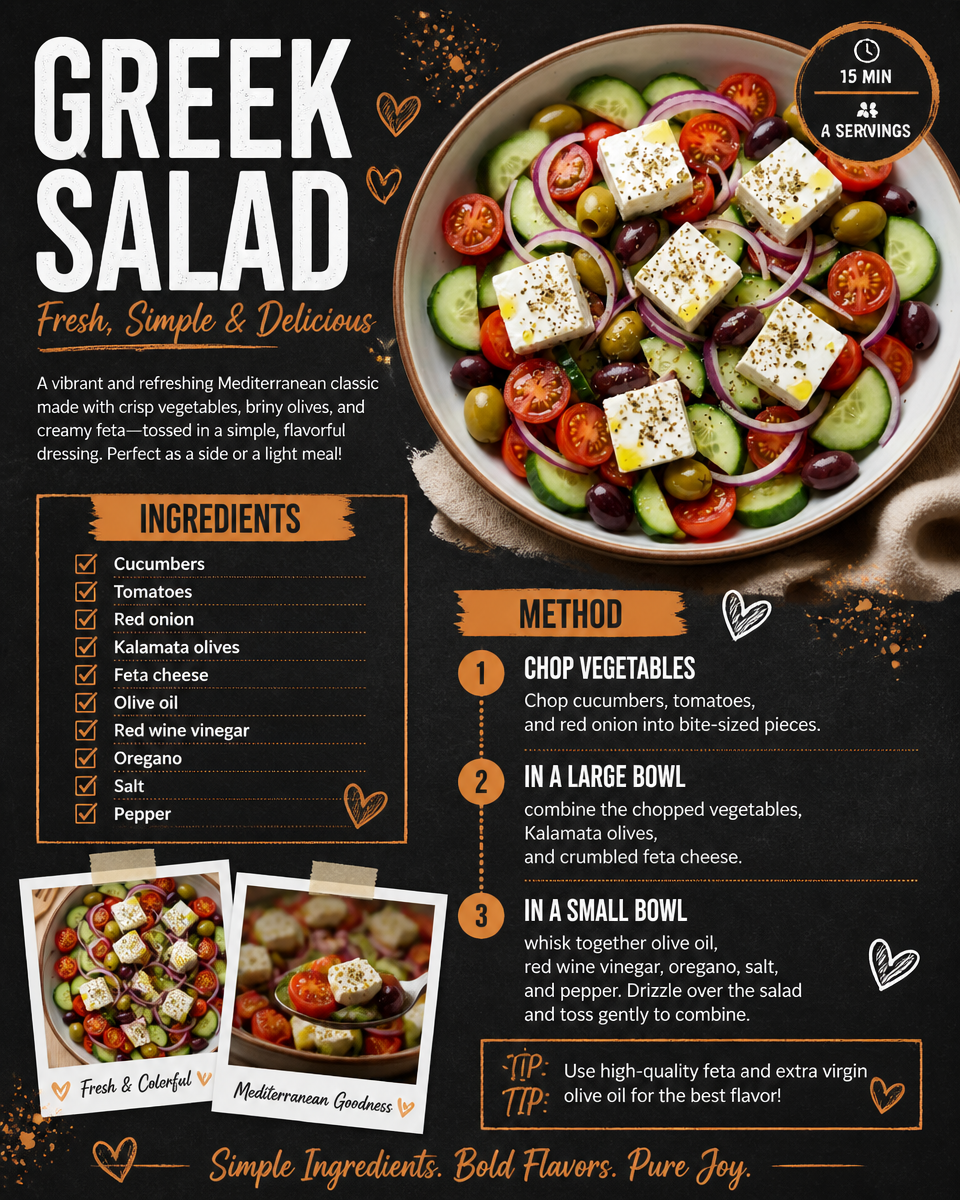
- Chop cucumbers, tomatoes, and red onion into bite-sized pieces, ensuring that each piece has a contrasting color and texture.
- In a large bowl, combine the chopped vegetables, Kalamata olives, and crumbled feta cheese, creating a beautiful medley.
- In a small bowl, whisk together olive oil, red wine vinegar, oregano, salt, and pepper until the mixture combines seamlessly.
- Pour the dressing over the salad and toss gently until everything is coated, taking care not to break up the feta too much, preserving its chunkiness.
- Serve immediately or refrigerate for a short time to enhance flavors, allowing the dressing to penetrate the vegetables.
A Healthier Perspective
Boosting the nutritional value of your Greek salad can be straightforward:
- Swap some of the feta cheese for Greek yogurt to lower fat content while keeping that creamy essence.
- Add nuts like almonds or walnuts for an extra crunch and a healthy dose of omega-3 fatty acids.
One key ingredient, olive oil, is packed with healthy fats and antioxidants, supporting heart health and reducing inflammation.
The Troubleshooter
-
Why did my salad turn soggy?
Make sure to dry the vegetables thoroughly; excess water can make the salad watery. Additionally, serve the dressing on the side if you’re anticipating leftovers. -
Why does my feta crumble into dust?
Use quality feta and crumble it gently with your hands rather than with a fork to maintain texture. -
Why aren’t my flavors balancing?
Taste as you go! Adjust the vinegar and salt proportions according to your palate to achieve a harmonious blend.
The Art of Serving
To present your Greek salad beautifully, serve it on a large, vibrant platter, featuring the colorful vegetables prominently. Pair this dish with grilled chicken or shrimp for a hearty meal, and consider serving it alongside a refreshing glass of rosé or a light white wine. Ideal settings include summer picnics, family gatherings, or a cozy dinner on your patio.
The Dietary Lab
For those following specific diets, Greek salad can easily adapt:
- Vegan: Omit the feta or use a cashew-based cheese.
- Gluten-Free: This recipe is gluten-free as is; just ensure your beans and condiments are gluten-free.
- Keto: Add avocado for healthy fats and keep the veggies low in carbs.
Storage & Revival
- Yield: 4 servings
- Prep Time: 15 minutes
- Cook Time: None
The Revival Rule
To enjoy your Greek salad later, keep the dressing separate until you’re ready to serve it. If leftovers are present, store them in an airtight container in the refrigerator for up to two days. When ready, toss with fresh herbs and a splash of olive oil instead of reheating, as using a microwave is strictly forbidden to preserve the integrity of the salad.
FAQ
What vegetables work best in Greek salad?
The classic mix includes cucumbers, tomatoes, red onions, and sometimes green bell peppers for crunch.
Can I add other ingredients?
Absolutely! You can include ingredients like bell peppers, chickpeas, or even avocado for a unique twist.
How should I store leftovers?
Keep any leftover salad in an airtight container in the fridge without the dressing for optimal freshness.
Is Greek salad healthy?
Yes, it’s loaded with fresh veggies and healthy fats from olive oil and olives, making it nutritious.
Can I make it ahead of time?
You can chop the veggies beforehand, but it’s best to dress the salad just before serving for the best texture.
What is the best type of feta to use?
Look for authentic Greek feta, ideally made from sheep’s milk, for the best flavor.
What can I serve with Greek salad?
It’s perfect with grilled meats, a side of hummus, or alongside pita bread.
Are Kalamata olives necessary?
While they add a distinctive flavor, you can substitute them with any good-quality olives you prefer.
Does Greek salad need to be refrigerated?
Yes, keep it stored in the fridge if not consumed right away to maintain freshness.
Is there a gluten-free version?
Yes, this salad is naturally gluten-free. Just be mindful of any added ingredients like bread.
The Final Bite
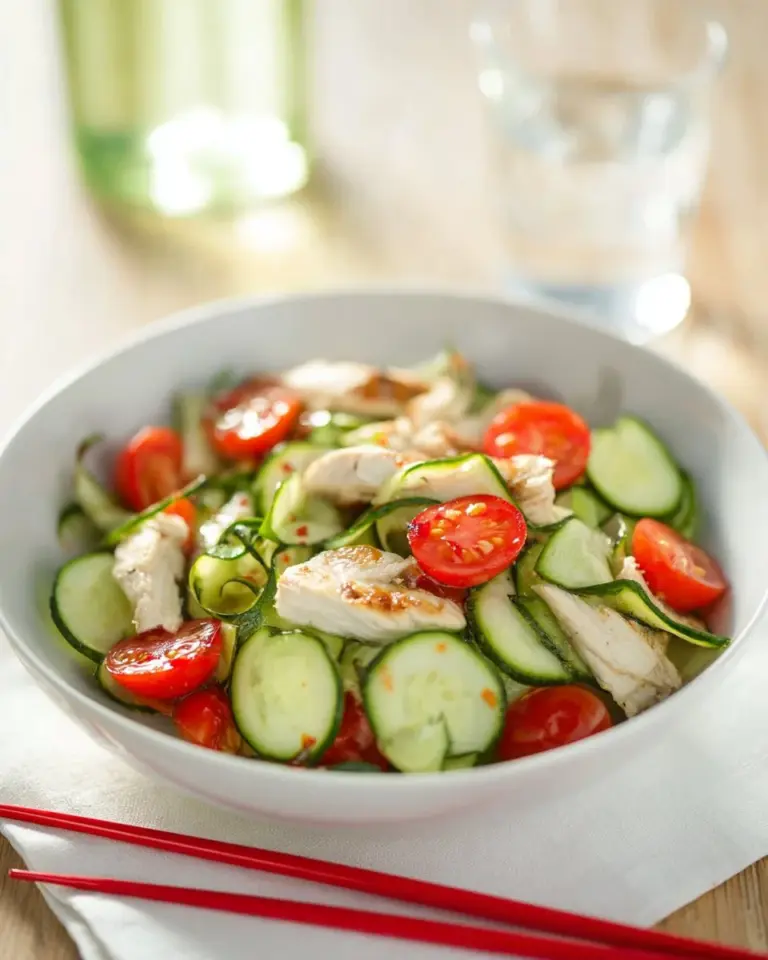
Enjoying a beautifully crafted Greek salad is always a delight! It not only provides a nourishing option but also connects you to an age-old tradition. Leave a comment below if you tried the Greek Salad! If you loved this recipe, you might also enjoy making a Chicken Tomato Cucumber Salad, a Sweet and Savory Peach Panzanella Salad, or a flavor-packed Spicy Thai Chicken Salad!
Conclusion
Incorporating fresh produce into your meals can elevate not only your dishes but also your health. Discover more vibrant options, such as a remarkable Greek Salad Recipe or a delightful Horiatiki (Greek Salad) Recipe that emphasizes seasonal ingredients and simple preparation.