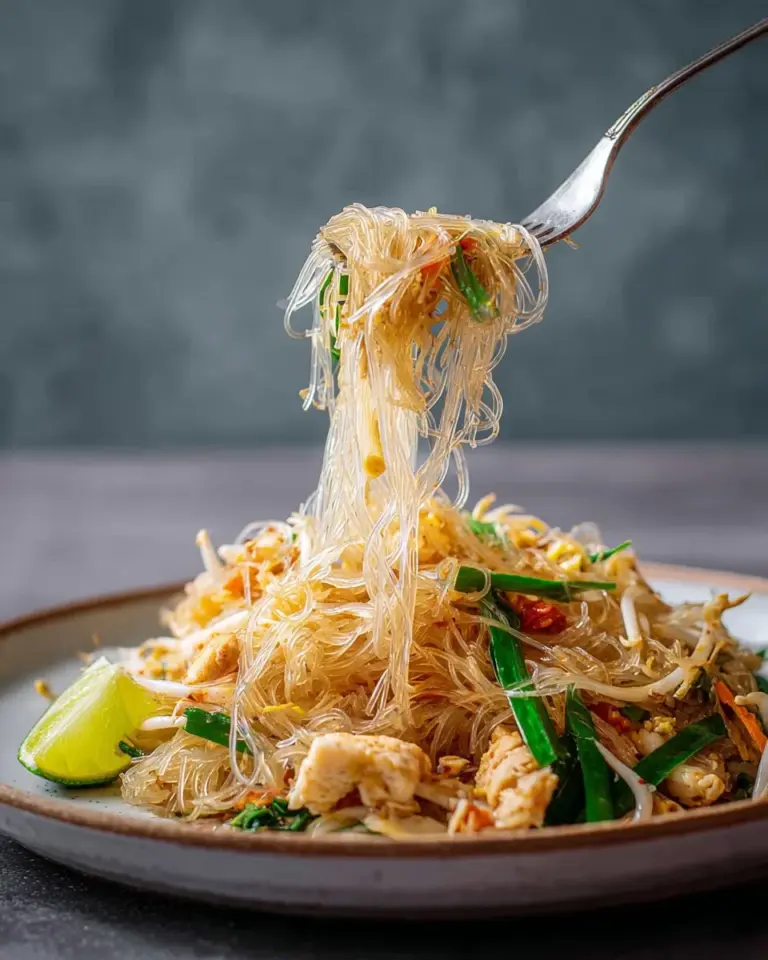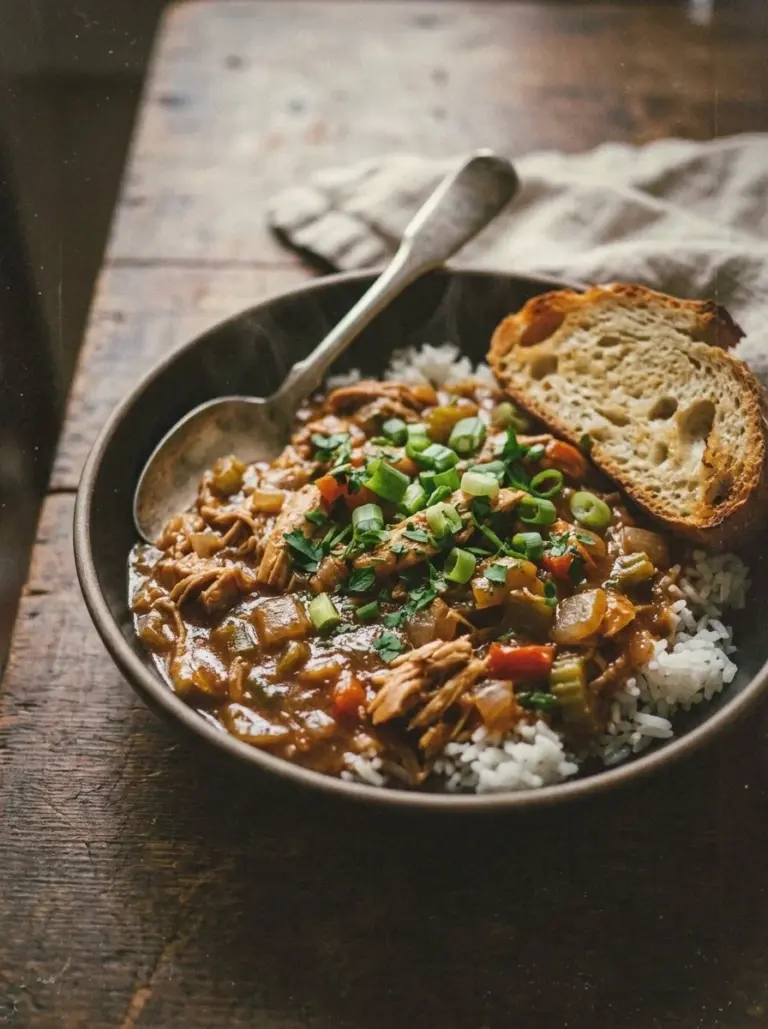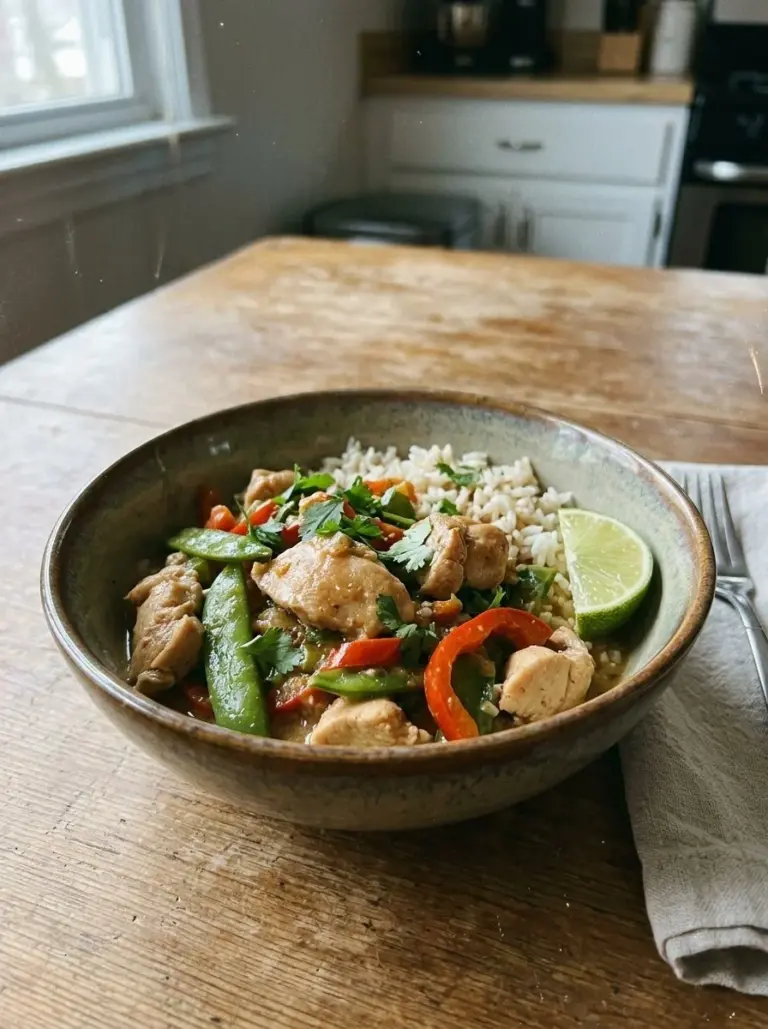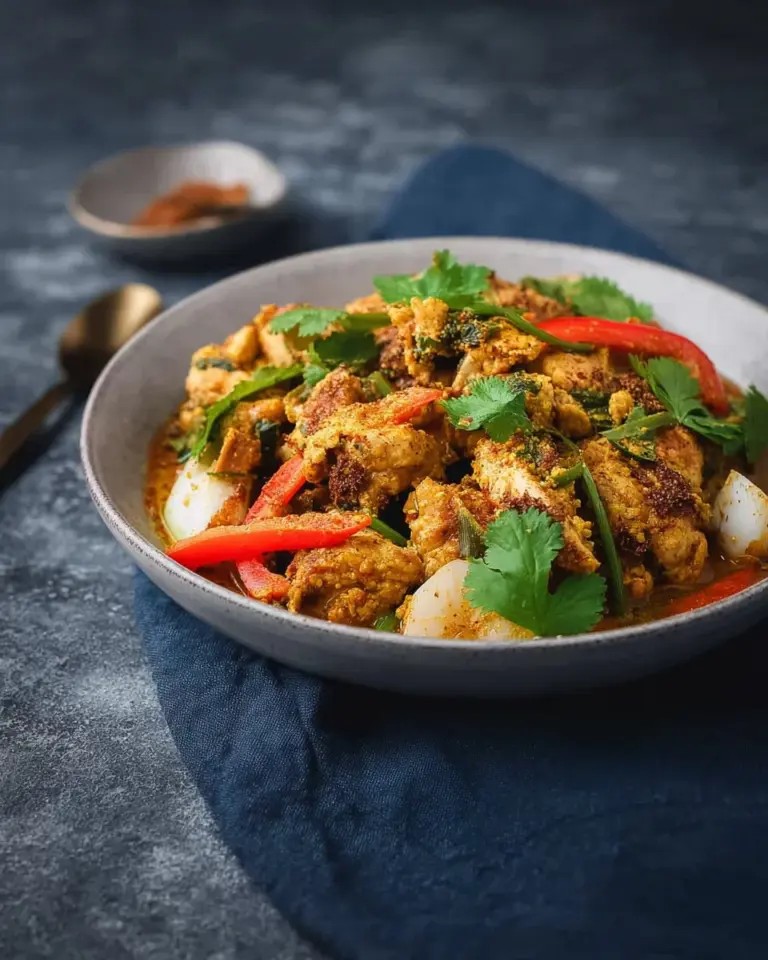
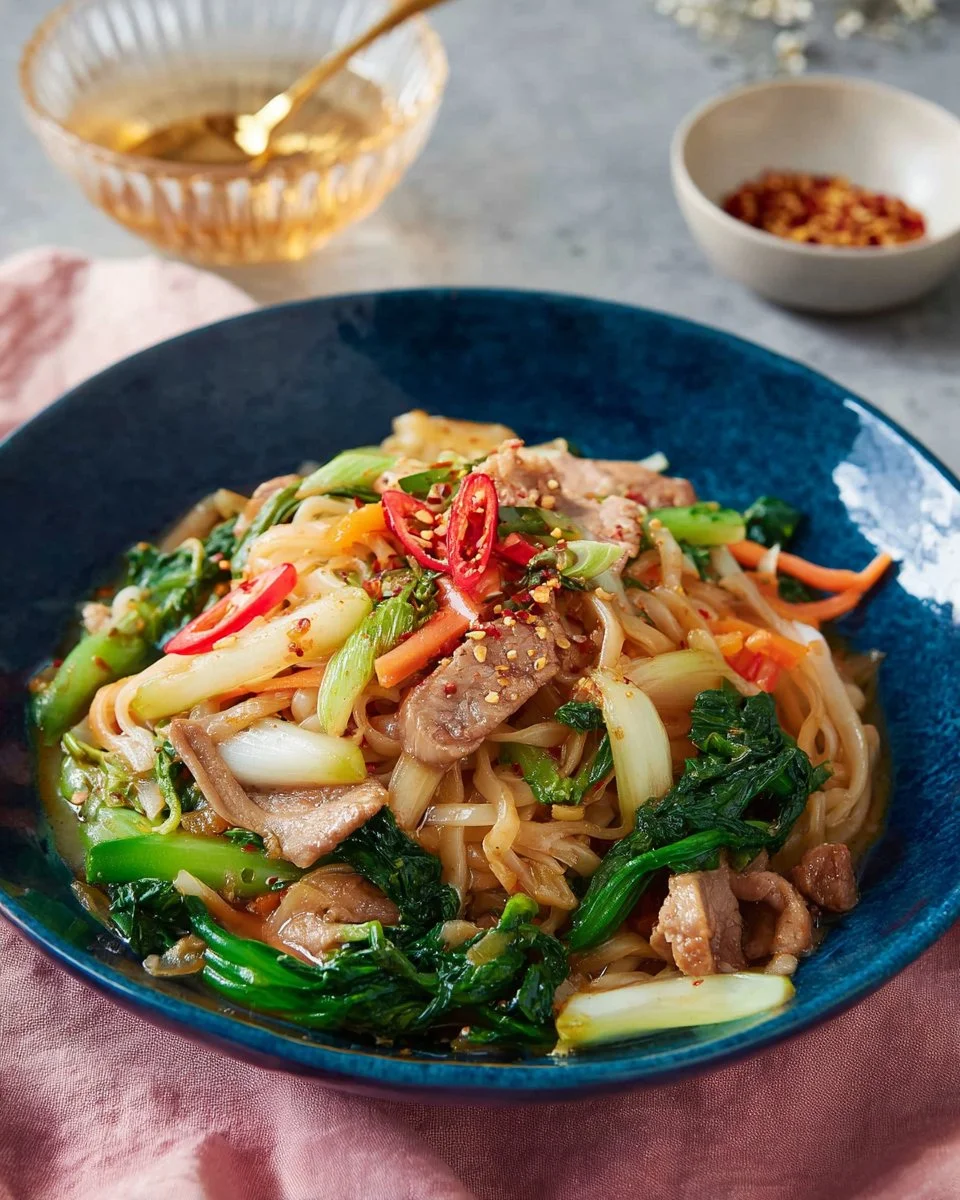
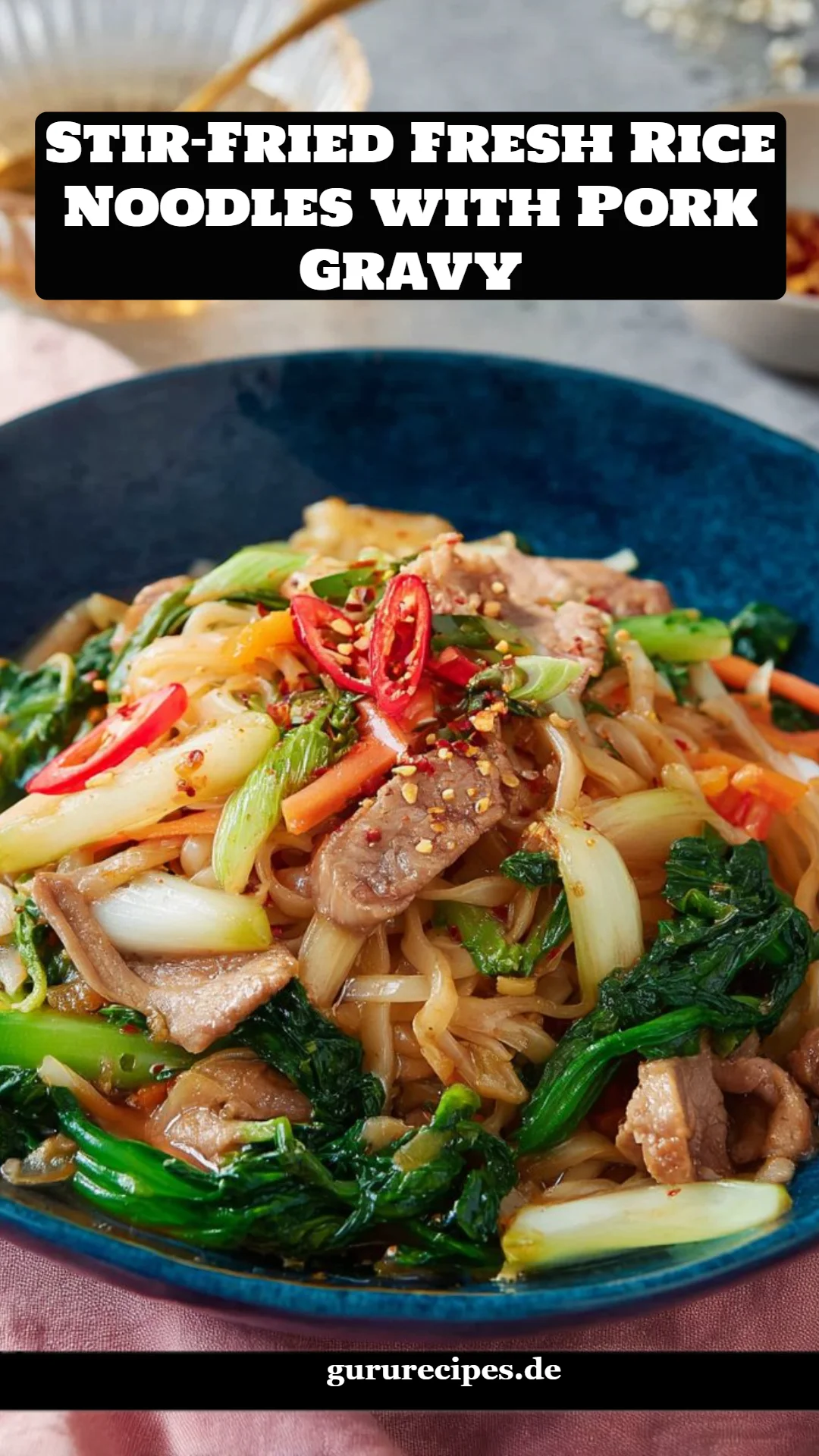
Delectable Stir-Fried Fresh Rice Noodles with Pork Gravy: A Comforting Bowl of Joy!
Growing up, family dinners carried a certain magic, especially when my mom made her famous Stir-Fried Fresh Rice Noodles with Pork Gravy. The aroma of sizzling garlic, tender pork, and fresh rice noodles would fill the kitchen, wrapping us in an all-too-familiar embrace of comfort. As we gathered around the table, the food became more than just a meal; it was a tapestry of memories woven from laughter and shared stories.
What makes this dish truly special is not just the tantalizing combination of flavors but also the way it bridges cultures and generations. Unlike some store-bought alternatives that can taste lazy and uninspired, this homemade version packs a punch—filled with fresh ingredients, rich umami flavors, and that extra love only a home-cooked meal can offer.
Through this recipe, I promise to share all my tips and tricks so you can recreate the warm, inviting feeling of home with each bite. Get ready to dive into the world of Stir-Fried Fresh Rice Noodles with Pork Gravy and discover how easy it is to bring this delicious comfort food to your kitchen!
What Are Stir-Fried Fresh Rice Noodles with Pork Gravy?
Stir-Fried Fresh Rice Noodles with Pork Gravy traces its roots to Southeast Asian cuisine, particularly the vibrant street food culture of countries like Thailand and Malaysia. These noodles are often characterized by their luscious texture—being fresh and wide, they soak up flavors better than their dried counterparts. Each bite is a delightful blend of soft noodles enveloped in a savory, rich gravy, making it a beloved dish among noodle lovers.
The unique aspect of this dish lies in the layering of flavors. The tender pork absorbs the marinade, while the sauce, thickened with tapioca starch, brings all the elements together in a delicious harmony. It’s the kind of dish that signals comfort—the perfect choice for an easy weeknight dinner or a gathering with friends. Whip it up when you’re craving a quick yet satisfying meal!
Why You’ll Love This Recipe
-
Flavor Explosion: This recipe unleashes a symphony of flavors that contrasts salty, sweet, and umami notes. You’ll find savory pork pairs harmoniously with the garlicky gravy, creating a dish that tingles your taste buds and satisfies your cravings.
-
Homemade Goodness: Set yourself apart from the bland offerings of takeout! Making your own Stir-Fried Fresh Rice Noodles with Pork Gravy allows you to control every ingredient, ensuring freshness and quality in every bite.
-
Cost-Effective: Eating out can get pricey, especially if you’re a noodle lover like me! Making this dish at home is not only satisfying, but it’s also easier on your wallet. You’ll get more bang for your buck with quality ingredients that’ll create multiple servings.
-
Customization Galore: Wanna add some veggies? Go for it! Feel like making it spicy? Amp up the heat with chili flakes. This recipe is inherently flexible, letting you cater to your unique flavor preferences and dietary needs.
-
Accessible Preparation: You don’t need to be a Michelin star chef to pull this off! With some basic cooking skills and an hour in the kitchen, you’ll be enjoying a homemade meal that tastes like it’s straight from your favorite Asian eatery.
Now, let’s get cooking and dive into the delicious details of Stir-Fried Fresh Rice Noodles with Pork Gravy!
Ingredients
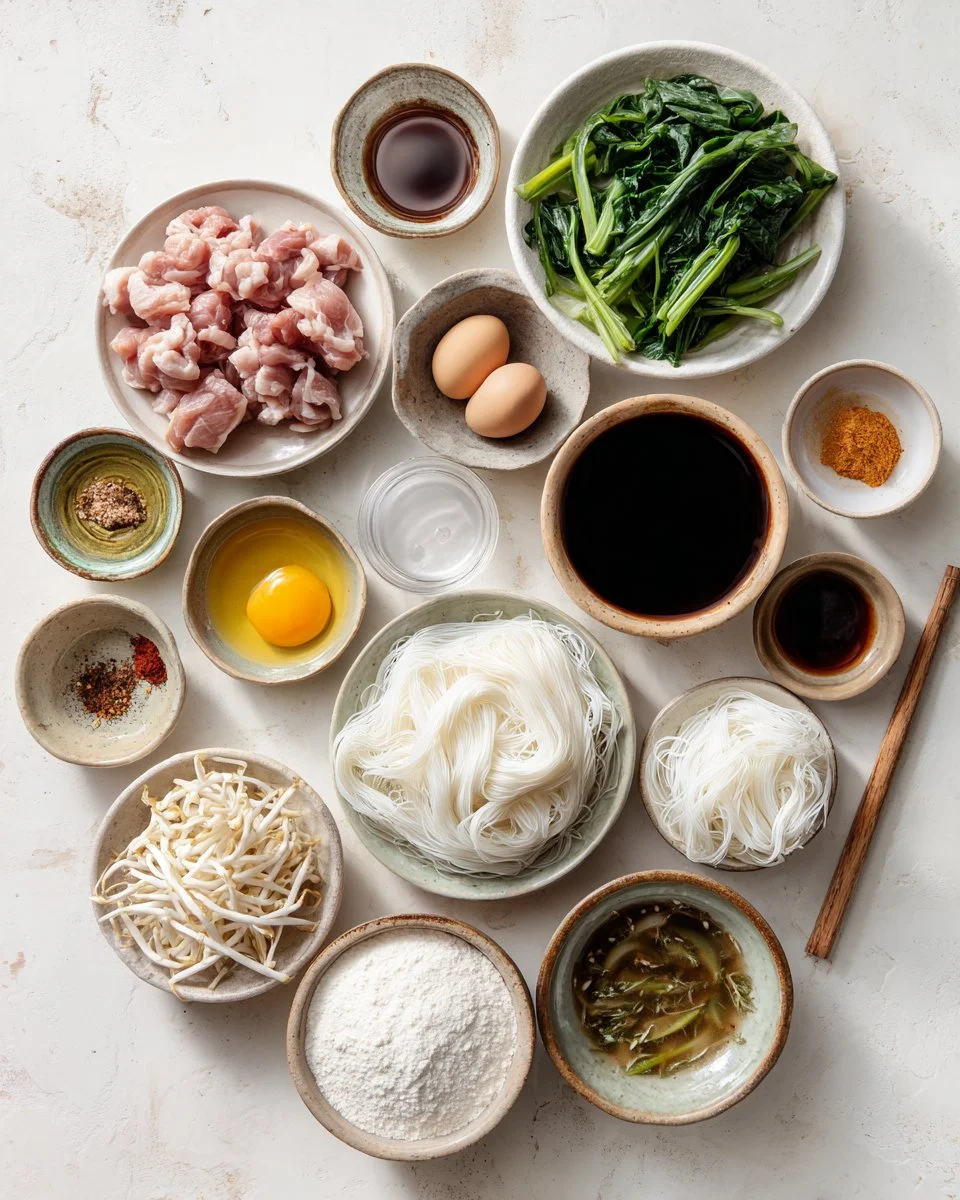
Here’s what you’ll need to whip up this delightful dish:
- 12 oz pork butt (shoulder), sliced into bite-sized pieces
- 1 tablespoon soy sauce
- 1 tablespoon oyster sauce
- 1 teaspoon toasted sesame oil
- 1/2 teaspoon sugar
- 1/4 teaspoon white pepper
- 2 tablespoons tapioca starch or cornstarch
- 1 large egg white
- 25 oz fresh wide rice noodles (or alternatives)
- 1 teaspoon black soy sauce
- 1 tablespoon neutral oil (for cooking)
- 2 tablespoons neutral oil (for gravy)
- 6 cloves garlic, chopped
- 3 tablespoons Thai fermented soybean paste (or low sodium miso)
- 3 cups unsalted pork stock
- 1 and 1/2 tablespoons soy sauce
- 1 tablespoon Golden Mountain Sauce (or substitute Maggi Seasoning)
- 1 and 1/2 tablespoons sugar
- 1 teaspoon toasted sesame oil
- 1/2 teaspoon ground white pepper
- 7 oz Chinese broccoli (gai lan), stems thinly sliced, leaves roughly chopped
- 1/4 cup tapioca starch
- 1/4 cup water
- Chili vinegar (optional) for heat
- Roasted chili flakes (optional) for extra flavor
Ingredient Notes:
- Pork Butt: This cut is perfect for its balance of fat and meat, ensuring tenderness. If you want to substitute, try chicken thighs or tofu for a veggie option.
- Soy Sauce: I prefer a low-sodium soy sauce to avoid overpowering the dish.
- Fresh Rice Noodles: For a true experience, fresh noodles are best but dried wheat noodles can work in a pinch—just ensure to cook them according to package directions for the best texture.
Prep Notes: Make sure your pork is at room temperature for even marinating. Also, if you’re using fresh rice noodles, try to separate them gently before cooking so they don’t stick together.
Step-by-Step Instructions
1. Marinate the Pork
Begin by marinating the pork. In a bowl, mix the pork with soy sauce, oyster sauce, toasted sesame oil, sugar, white pepper, tapioca starch, and egg white. Let it sit for at least 20 minutes to absorb all the flavors.
2. Prepare Chili Vinegar (Optional)
If you like a kick, thinly slice hot peppers and place them in a small bowl. Cover with white vinegar and set aside to let the flavors meld.
3. Cook the Noodles
In a large wok, heat 1 tablespoon of neutral oil over medium-high heat. Toss the fresh rice noodles with black soy sauce until they’re lightly toasted and browned, about 3-4 minutes. Once done, remove the noodles from the wok and set them aside.
4. Make the Gravy
In the same wok, add 2 tablespoons of neutral oil and heat. Sauté the chopped garlic until golden, then add the fermented soybean paste. Deglaze the wok with the pork stock. Let that reduce slightly, then add your soy sauce, Golden Mountain Sauce, and sugar.
5. Incorporate Pork and Veggies
Once the gravy is simmering, add the marinated pork to the wok. Stir in the Chinese broccoli stems and cook until they’re bright green—about 2-3 minutes.
6. Thicken the Gravy
Mix 1/4 cup tapioca starch with 1/4 cup water to create a slurry. Gradually stir this into the boiling sauce, allowing it to thicken beautifully. Adjust the seasoning according to your taste—feel free to add a pinch of salt or a splash of soy sauce.
7. Serve
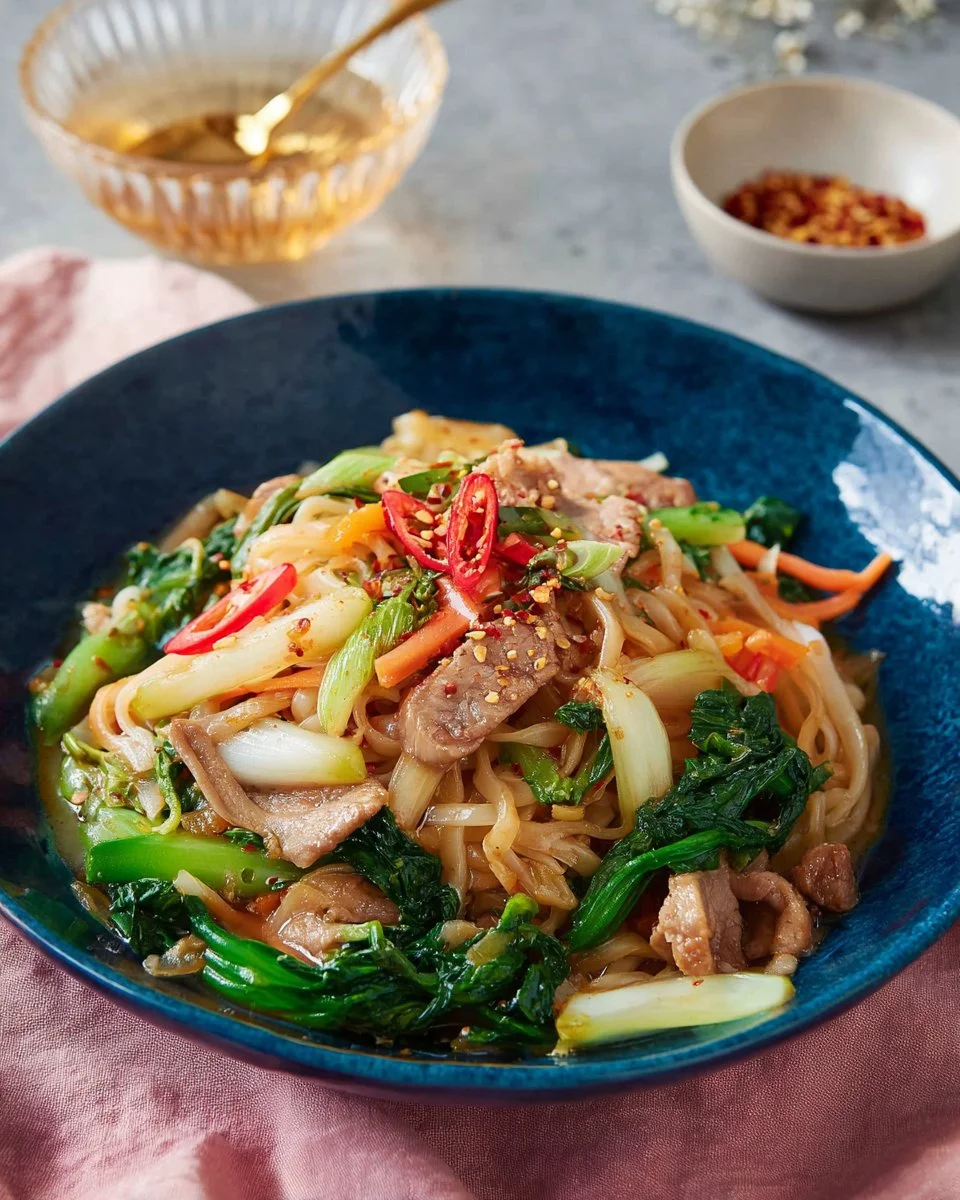
Divide the noodles into bowls and ladle your delicious gravy packed with pork and veggies over them. If desired, drizzle some chili vinegar on top and garnish with roasted chili flakes for added heat. Enjoy!
Expert Tips & Tricks
-
Tender Pork: For the most tender pork, don’t rush the marination time. If you have more time, marinate for up to an hour.
-
Storage: This dish is best enjoyed fresh, but leftovers can be stored in the fridge for up to 3 days. Just reheat gently in a pan with a splash of water to revive the noodles.
-
Make-ahead: You can marinate the pork the night before. Just store it covered in the refrigerator, and the next time you want to prepare this dish, it’ll be ready to go!
-
Common Mistakes: Avoid overcrowding the wok to prevent steaming your meats and noodles. It’s all about that sear!
-
Consistency: If your gravy gets too thick, simply add a little more broth or water to reach your desired consistency.
-
Add-ons: Feel free to switch things up! Snow peas, bell peppers, or even shrimp can be wonderful additions.
Serving Suggestions
Serve your Stir-Fried Fresh Rice Noodles with Pork Gravy with a side of crispy spring rolls or a fresh bean sprout salad. For presentation, consider garnishing with fresh cilantro or sliced cucumbers for a refreshing crunch. This dish is perfect for family dinners, casual gatherings, or when you just need a comforting hug in a bowl.
Variations & Substitutions
This recipe can be easily adapted to cater to different tastes and dietary restrictions:
-
Vegetarian: Swap pork for firm tofu or delicious shiitake mushrooms, and use vegetable stock instead of pork stock.
-
Seasonal Variations: Toss in seasonal veggies like zucchini in the summer or root vegetables in the winter for a hearty twist.
-
Flavor Combinations: Feeling adventurous? Add a splash of lime juice or sesame seeds for a new flavor profile.
Nutrition & Storage Info
- Prep Time: 20 minutes
- Cook Time: 30 minutes
- Total Time: 50 minutes
- Yield: Approximately 4 servings
- Estimated Calories: 600 calories per serving
Storage Instructions:
- Keep in the fridge for up to 3 days.
- Reheat with a little water in the wok or microwave for best results.
- Can be frozen for up to 2 months—although fresh is always better!
FAQ Section
-
Can I use dried rice noodles instead of fresh?
Yes! Just ensure to follow the package instructions to cook them properly. Dried noodles will need soaking or boiling. -
What if I can’t find fermented soybean paste?
You can use low-sodium miso as a substitute for a similar flavor profile. -
Can I make this gluten-free?
Sure! Use gluten-free soy sauce and ensure your rice noodles are gluten-free. -
How can I adjust spice levels?
Control the amount of chili used or omit the chili altogether. You can also use milder peppers for a gentle spice. -
What is the difference between black soy sauce and regular soy sauce?
Black soy sauce is thicker, sweeter, and dark in color, adding a rich flavor to dishes. -
Is there an alternative to pork butt?
Yes! Pork tenderloin, chicken thighs, or even shrimp work well. -
Why is there an egg white in the marinade?
The egg white adds to the tenderness of the pork and helps create a velvety texture. -
Can this dish be made ahead of time?
While it’s best enjoyed fresh, you can prepare the components and assemble when you’re ready to serve. -
How do I prevent the noodles from sticking?
Make sure to toss the noodles in oil while cooking and use a high heat to keep them moving in the wok. -
What can I serve with this dish?
Complement it with a light Asian slaw or simple pickled veggies for a burst of freshness.
Conclusion
Stir-Fried Fresh Rice Noodles with Pork Gravy isn’t just a recipe; it’s a journey back to the comfort of home and the joy of sharing meals with loved ones. I hope you try making these noodles at home and experience the delightful aroma and flavors that will fill your kitchen. I’d love to hear your thoughts and any fun tweaks you made to the recipe! Don’t forget to check out other related dishes on my blog for more delicious adventures. Happy cooking!
Stir-Fried Fresh Rice Noodles with Pork Gravy
Ingredients
Method
- Marinate the Pork: In a bowl, mix the pork with soy sauce, oyster sauce, toasted sesame oil, sugar, white pepper, tapioca starch, and egg white. Let it sit for at least 20 minutes.
- Prepare Chili Vinegar (Optional): If desired, thinly slice hot peppers and place them in a small bowl. Cover with white vinegar and set aside.
- Cook the Noodles: In a large wok, heat 1 tablespoon of neutral oil over medium-high heat. Toss the fresh rice noodles with black soy sauce until browned, about 3-4 minutes. Remove the noodles and set aside.
- Make the Gravy: In the same wok, add 2 tablespoons of neutral oil. Sauté garlic until golden, then add fermented soybean paste. Deglaze with pork stock, let reduce slightly, then add soy sauce, Golden Mountain Sauce, and sugar.
- Incorporate Pork and Veggies: Add the marinated pork to the gravy. Stir in Chinese broccoli stems and cook until bright green, about 2-3 minutes.
- Thicken the Gravy: Mix 1/4 cup tapioca starch with 1/4 cup water to create a slurry. Stir into the boiling sauce to thicken. Adjust seasoning as needed.
- Serve: Divide noodles into bowls and ladle gravy with pork and veggies over them. Drizzle with chili vinegar and garnish with chili flakes if desired.