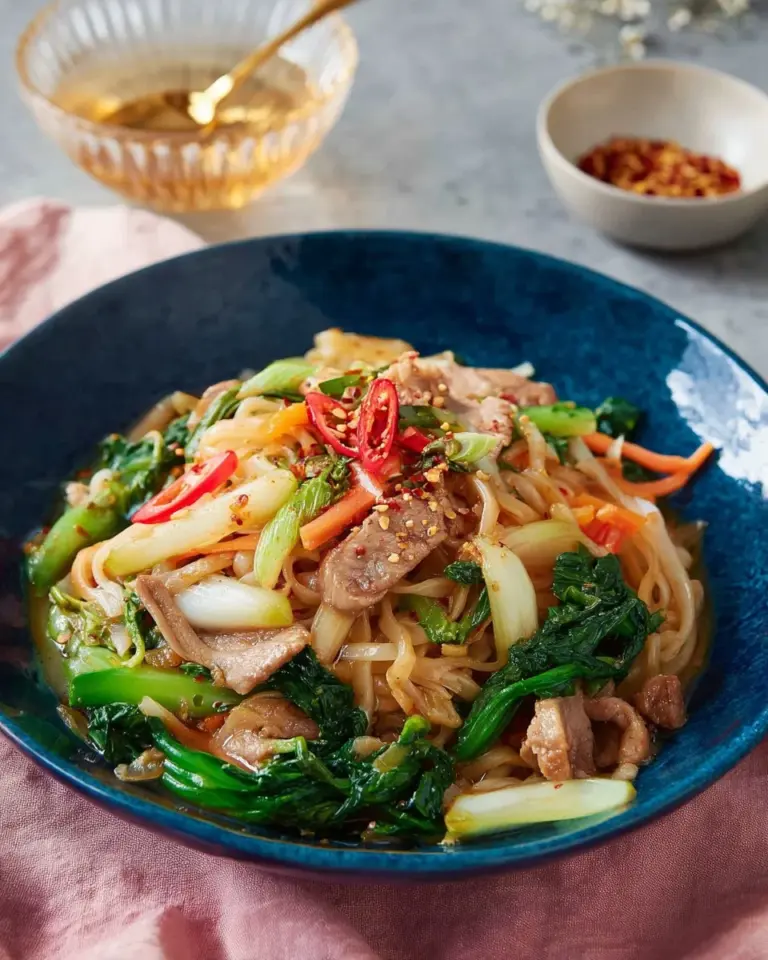
A Simpler and Healthier Pad Thai You’ll Love!
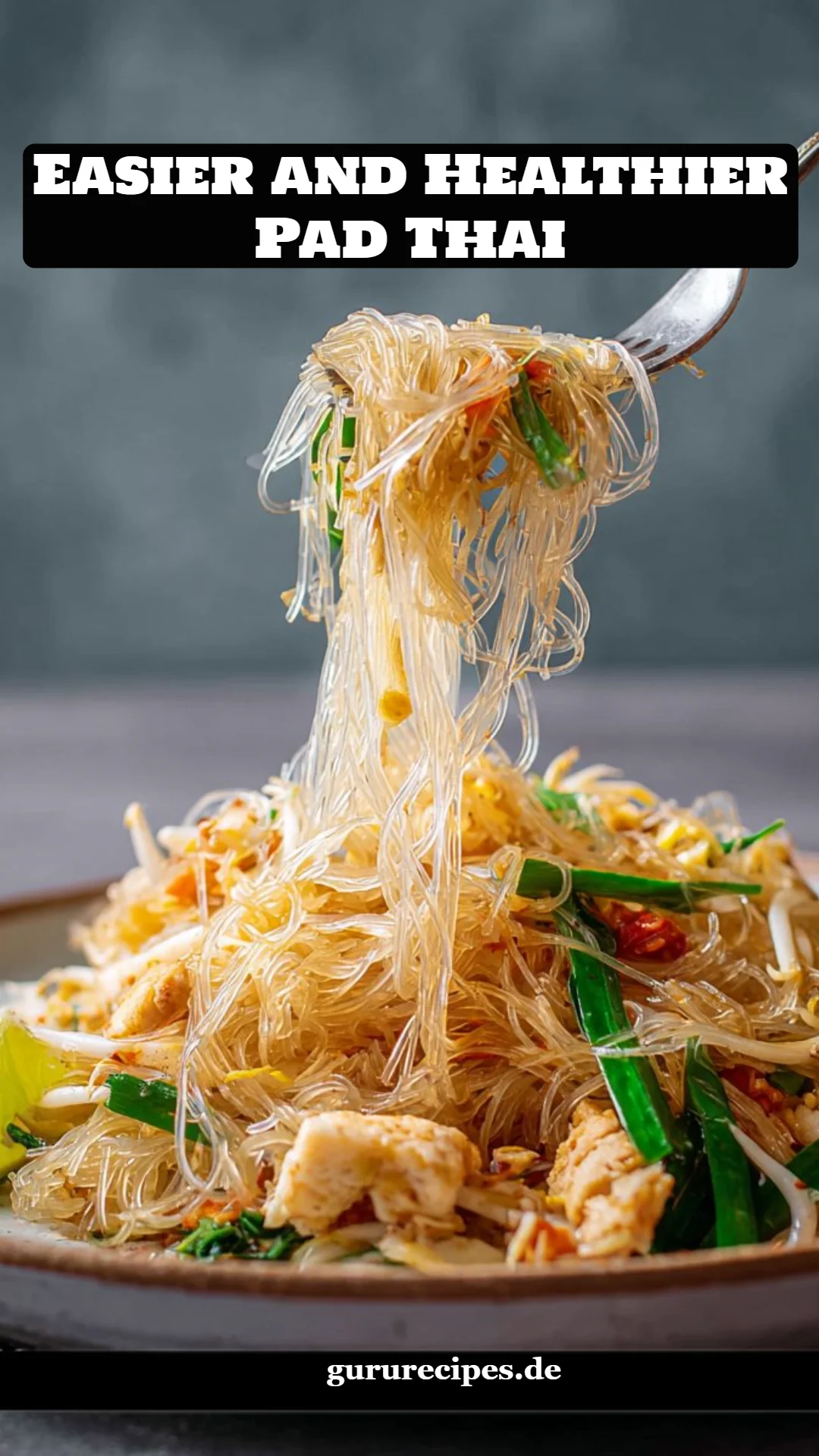
Welcome to my kitchen! Today, I’m excited to share with you my twist on everyone’s favorite stir-fry: Easier and Healthier Pad Thai. Pad Thai takes me back to my childhood, where the rich, savory aroma would waft through the air as my mom prepared it for my family. I fondly remember gathering around the kitchen table, anticipation bubbling in the air, as we awaited that first comforting bite.
This recipe is special not only because it’s a healthier take on the traditional version, but it also simplifies the ingredients and preparation, making it accessible for busy weeknights. Unlike many recipes that require unusual ingredients or time-consuming steps, mine ensures you can whip up a delicious Pad Thai with ease. With fresh shrimp, vibrant greens, and that oh-so-satisfying noodle texture, you’ll get all the flavor without the guilt!
In this post, I’ll take you through my tried-and-true steps for creating a comforting dish that’s perfect for family dinners or impressing friends at gatherings. Plus, by the end, you’ll learn a few tips to customize it just the way you like it. Grab your apron, and let’s dive into this flavorful journey together!
What Are Easier and Healthier Pad Thai?
Pad Thai has a rich history, originating from Thailand in the 1930s as part of a nationalist campaign to promote Thai food. It’s loved for its incredible balance of flavors—sweet, salty, tangy—and its delightful textural contrast of chewy noodles, crisp veggies, and tender proteins. Typically made with rice noodles, a savory sauce, and a mix of shrimp and vegetables, Pad Thai offers an amazing culinary experience.
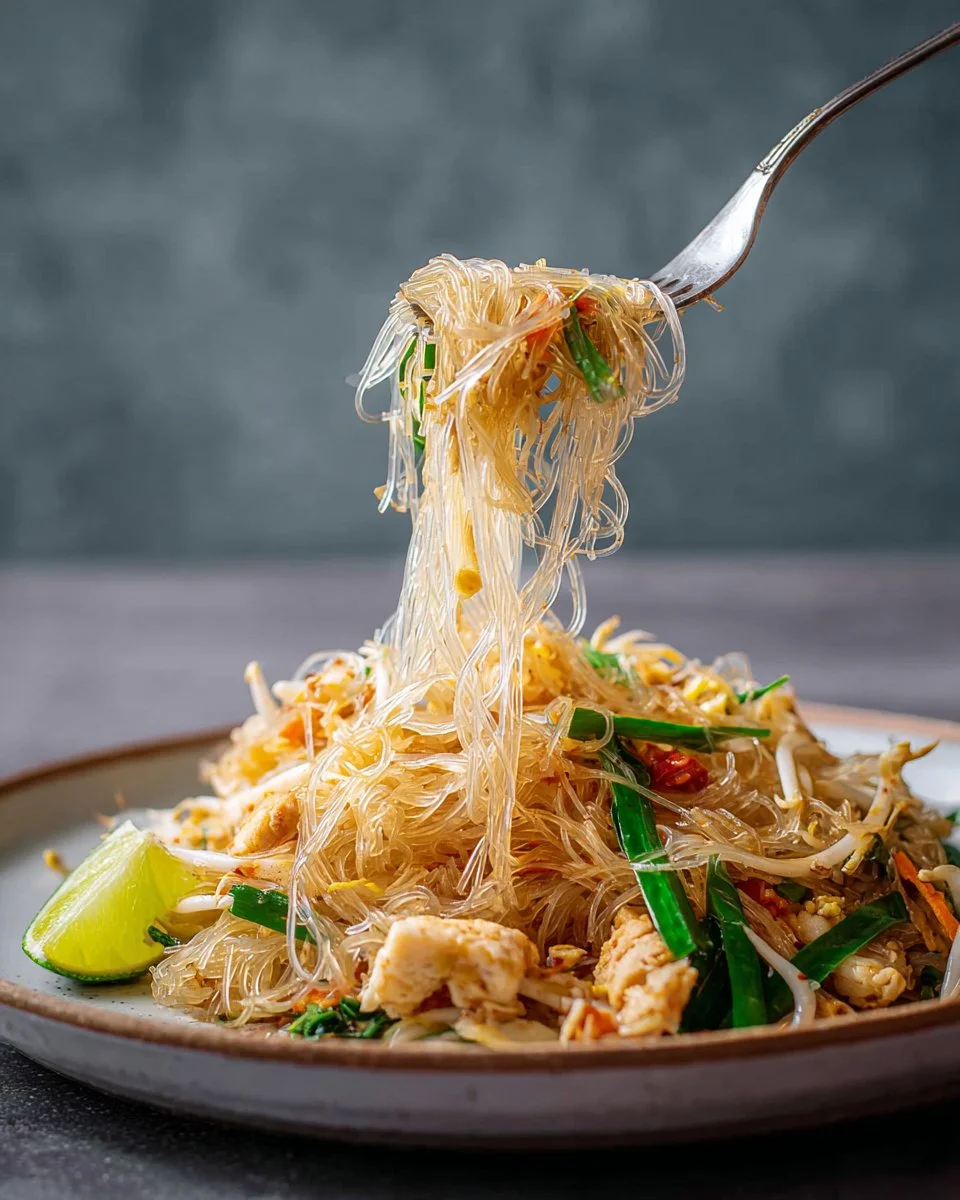
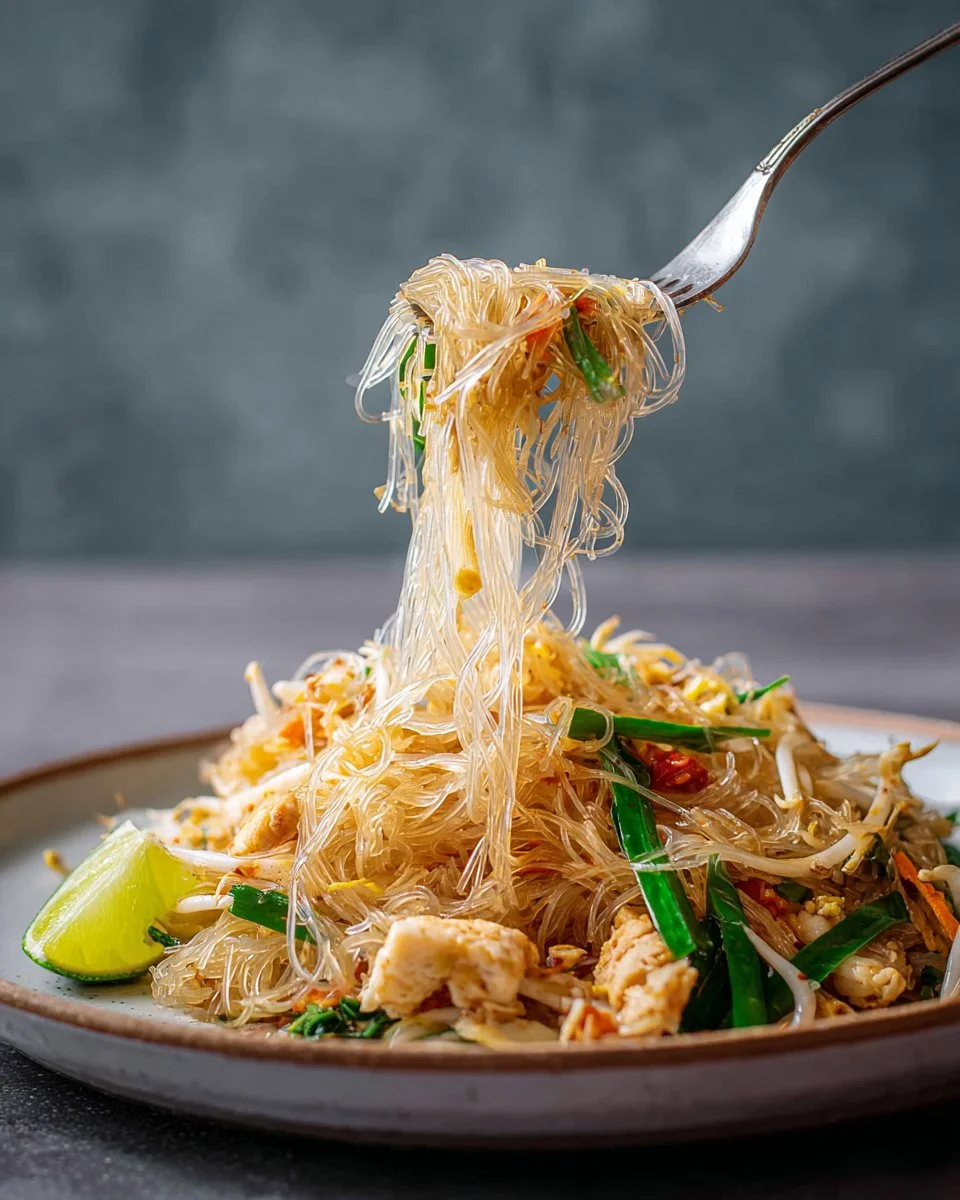
What sets my Easier and Healthier Pad Thai apart is its focus on fresh, wholesome ingredients while still packing flavor. Imagine the satisfying bite of soft glass noodles, perfectly seasoned shrimp, and crunchy bean sprouts mingling together. This dish is perfect for a quick weeknight dinner or a special occasion where you want to share something delicious yet light.
Whenever I make this dish, I’m reminded of cozy family dinners and delightful flavors that dance on the palate. Making this version means you’ll not only enjoy a delicious meal but also create new memories with loved ones. So when you find yourself craving takeout, give this Easier and Healthier Pad Thai a try; your taste buds will thank you!
Why You’ll Love This Recipe
-
Quick & Easy Preparation: Who has hours to spend cooking? This recipe can be done in under 30 minutes! With neatly organized ingredients and straightforward steps, you’ll have a scrumptious meal that doesn’t eat away your evening.
-
Healthier Alternative: Unlike many restaurant versions that drown the dish in calories and sodium, my recipe focuses on fresh vegetables and lean proteins, making it lighter and healthier without sacrificing taste.
-
Economic & Cost-Effective: Cooking at home is always cheaper than eating out! This recipe uses simple and accessible ingredients that pack a punch, so you can enjoy a restaurant-quality meal without breaking the bank.
-
Fully Customizable: Don’t like shrimp? Swap in chicken or tofu! Want more heat? Add extra chili flakes. This dish is a canvas for your culinary creativity, allowing you to mix and match to your heart’s content!
-
Family-Friendly: My family absolutely loves this dish, and it’s always a hit at gatherings. It’s versatile, fun to eat, and a beautiful dish that can please various palates without fuss.
With these enticing reasons, you’ll discover how simple it is to create this delightful Easier and Healthier Pad Thai right in your kitchen!
Ingredients
- 3 1/2 tablespoons palm sugar (finely chopped)
- 3 tablespoons water
- 4 tablespoons tamarind paste
- 2 1/2 tablespoons fish sauce
- 12 medium-sized shrimp (head-on if possible for more flavor)
- 1/3 cup neutral oil (like canola or grapeseed)
- 3 tablespoons chopped shallots
- 3 cloves garlic (chopped)
- 85g pressed tofu (cut into small pieces)
- 1/2 teaspoon chili flakes (or to taste)
- 2.8 oz glass noodles (soaked in water for 7-10 minutes, drained, and cut in half)
- 1/4 cup water (for cooking noodles)
- 2 large eggs
- 4 oz bean sprouts (about 2.5 cups)
- 2.5 oz garlic chives (cut into 2-inch pieces)
- 1/4 cup roasted peanuts (chopped)
- 1 lime (for serving)
Notes on Ingredients Quality/Substitutions:
- Palm Sugar: If you can’t find palm sugar, brown sugar works as a substitute.
- Fish Sauce: For a vegetarian option, use soy sauce or tamari.
- Shrimp: Feel free to replace with chicken, beef, or omit for a vegetarian dish altogether.
Pro Tip: Make sure your noodles are soaked well in advance. You can soak them in warm water to speed up the process if you’re short on time!
Step-by-Step Instructions
-
Prepare the Sauce: In a small pot, add palm sugar and cook over medium heat until it melts and caramelizes into a darker brown color. Stir it occasionally to avoid burning the edges. Once caramelized, turn off the heat and carefully add water; it will bubble vigorously. When bubbling subsides, add fish sauce and tamarind paste, swirling them to combine.
-
Make the Shrimp Oil (Optional): Peel and devein the shrimp, setting the heads aside. In a wok, add your neutral oil and shrimp heads, cooking over medium heat until the heads turn golden brown and smell aromatic. Strain the oil into a heatproof bowl, discarding the shrimp heads.
-
Cooking the Pad Thai: Heat the wok on high, adding the shrimp oil (or neutral oil) to coat the bottom. Toss in the shrimp and sear until they’re halfway cooked, then flip to finish cooking; remove and set aside.
-
Vegetable Medley: Turn down the heat, adding more oil if necessary, then toss in shallots, garlic, tofu, and chili flakes. Cook until the shallots are translucent, about 2 minutes.
-
Noodle Time: Increase the heat to high again, adding the soaked noodles, sauce, and water, stirring until the liquid has been absorbed.
-
Eggs & Noodles Unite: Push the noodle mixture aside and create a space in the wok. Add a bit more oil, then crack in the eggs and scramble them lightly. Once they’re cooked, mix in the noodles, checking for doneness and adding water for tenderness if needed.
-
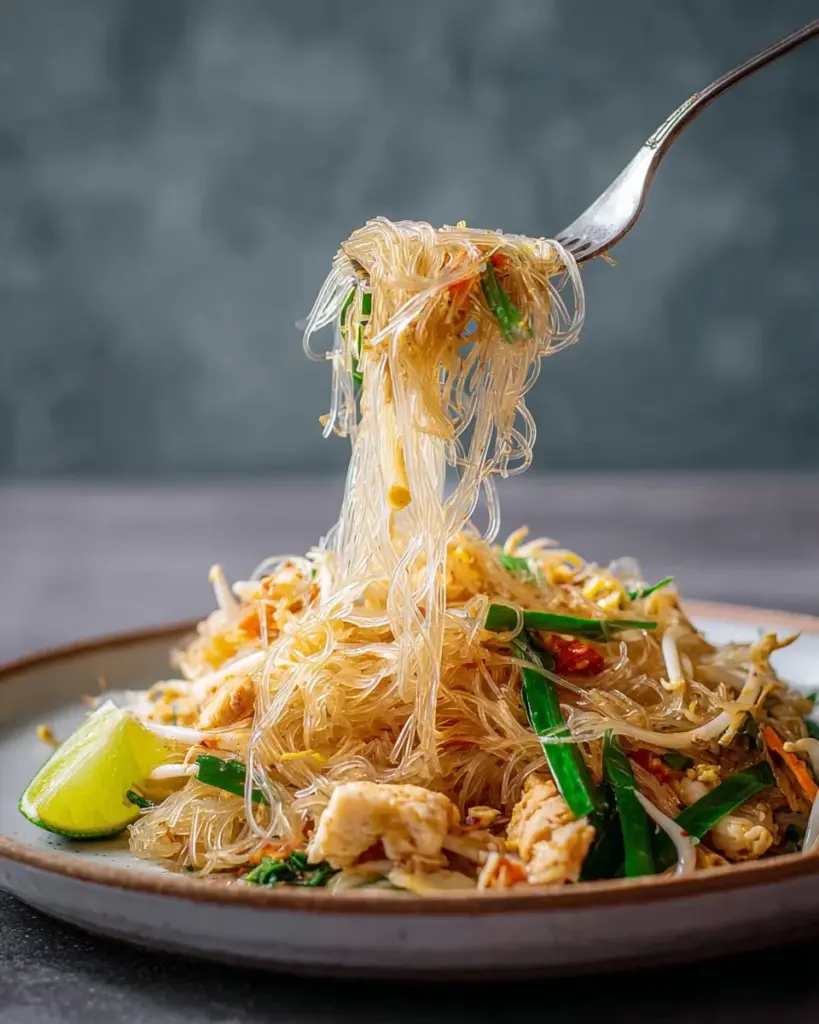
Final Touches: Turn off the heat and fold in the shrimp, bean sprouts, garlic chives, and half of the chopped peanuts. Plate your dish and generously top with the remaining peanuts. Serve with a wedge of lime on the side for a zesty finish.
Expert Tips & Tricks
-
Non-Stick Success: If you’re struggling with sticky noodles, ensure your wok is hot enough before adding the noodles, and add a tablespoon of oil if needed.
-
Store Leftovers Properly: Leftover Pad Thai can be safely stored in an airtight container in the fridge for up to 2 days. For longer storage, you can freeze it for up to a month. Reheat gently to avoid soggy noodles!
-
Make-Ahead: You can prepare the sauce a day in advance and keep it in the fridge for a quick-fix meal.
-
Troubleshooting: If your dish tastes too salty, balance it with an extra squeeze of lime to elevate the flavors.
-
Chef’s Tip: Invest in quality tamarind paste; it can really elevate your Pad Thai and brings authentic flavor.
Serving Suggestions
This Easier and Healthier Pad Thai pairs beautifully with a fresh cucumber salad or a side of Thai spring rolls for a complete meal. When serving, consider garnishing with lime wedges and additional crushed peanuts for a pop of visual and textural appeal. It’s a fantastic centerpiece for a weekday dinner or a fun gathering with friends!
Variations & Substitutions
-
Different Proteins: Want a twist? Use chicken, beef, or even tempeh as the base protein to suit your taste.
-
Seasonal Vegetable Variations: For a seasonal flair, add bok choy in the spring or pumpkin in the fall for a delightful twist on the classic.
-
Dietary Restriction Adaptations: This recipe is easily adaptable for gluten-free diets—simply choose gluten-free soy sauce instead of fish sauce, and ensure your noodles are gluten-free!
Nutrition & Storage Info
- Prep Time: 15 minutes
- Cook Time: 15 minutes
- Total Time: 30 minutes
- Yield: Serves 4
- Estimated Calories per Serving: 400 calories
Storage Instructions:
- Room Temperature: Best enjoyed fresh; do not leave out for more than 2 hours.
- Fridge: Store leftovers in an airtight container for up to 2 days.
- Freezer: Store for up to 1 month; thaw overnight in the fridge before reheating.
FAQ Section
-
Can I make this Pad Thai vegan?
Yes! Substitute the shrimp with a plant-based protein like tofu, and swap the fish sauce with soy sauce or a vegan fish sauce alternative. -
Are glass noodles the only option?
While glass noodles are traditional, you can use rice noodles or even zucchini noodles for a grain-free alternative. -
How spicy is this Pad Thai?
The spice level comes from the chili flakes. Feel free to adjust the amount to suit your preference or omit them altogether for a milder version. -
Can I add more vegetables?
Certainly! Feel free to throw in bell peppers, broccoli, or snap peas for extra nutrition and color. -
Is tamarind paste necessary?
Tamarind adds a unique flavor, but you can substitute it with lime juice for acidity if you don’t have it on hand. -
What can I serve with Pad Thai?
A light appetizer such as fresh spring rolls or a Thai-style salad makes a great complement to Pad Thai. -
Can I meal prep this dish?
Absolutely! You can prep the sauce and chop your veggies ahead of time, so you can throw everything together in minutes on a busy night. -
How do I prevent my noodles from sticking?
Rapid cooking at high heat and using enough oil should prevent sticking. Also, ensure that your noodles are properly soaked and drained. -
What’s the best way to reheat Pad Thai?
Heat in a skillet on low heat, adding a splash of water to steam and soften if it’s too dry. -
What if my sauce is too thick?
If your sauce is too thick, gradually add a little more water while cooking to reach your desired consistency.
Conclusion
This Easier and Healthier Pad Thai recipe isn’t just about enjoying food—it’s about indulging in flavors, creating memories, and reclaiming the joy of cooking nourishing meals at home. I encourage you to try this dish, share it with your family, and experience how easy and delicious a homemade Pad Thai can be!
Have you tried this recipe? I’d love to hear your feedback and stories! If you’re looking for more delightful recipes, check out my blog for other delicious Asian-inspired dishes that will warm your heart and home. Happy cooking!
Easier and Healthier Pad Thai
Ingredients
Method
- In a small pot, add palm sugar and cook over medium heat until it melts and caramelizes into a darker brown color. Stir it occasionally to avoid burning the edges.
- Once caramelized, turn off the heat and carefully add water; it will bubble vigorously. When bubbling subsides, add fish sauce and tamarind paste, swirling them to combine.
- Peel and devein the shrimp, setting the heads aside. In a wok, add your neutral oil and shrimp heads, cooking over medium heat until the heads turn golden brown and smell aromatic.
- Strain the oil into a heatproof bowl, discarding the shrimp heads.
- Heat the wok on high, adding the shrimp oil (or neutral oil) to coat the bottom. Toss in the shrimp and sear until they're halfway cooked, then flip to finish cooking; remove and set aside.
- Turn down the heat, adding more oil if necessary, then toss in shallots, garlic, tofu, and chili flakes. Cook until the shallots are translucent, about 2 minutes.
- Increase the heat to high again, adding the soaked noodles, sauce, and water, stirring until the liquid has been absorbed.
- Push the noodle mixture aside and create a space in the wok. Add a bit more oil, then crack in the eggs and scramble them lightly.
- Once they’re cooked, mix in the noodles, checking for doneness and adding water for tenderness if needed.
- Turn off the heat and fold in the shrimp, bean sprouts, garlic chives, and half of the chopped peanuts.
- Plate your dish and generously top with the remaining peanuts. Serve with a wedge of lime on the side for a zesty finish.